Dreaming of horses
The questions that come before a horse does: what one costs to buy and to keep, how hands and heights work, and quite how many breeds there are to choose between.
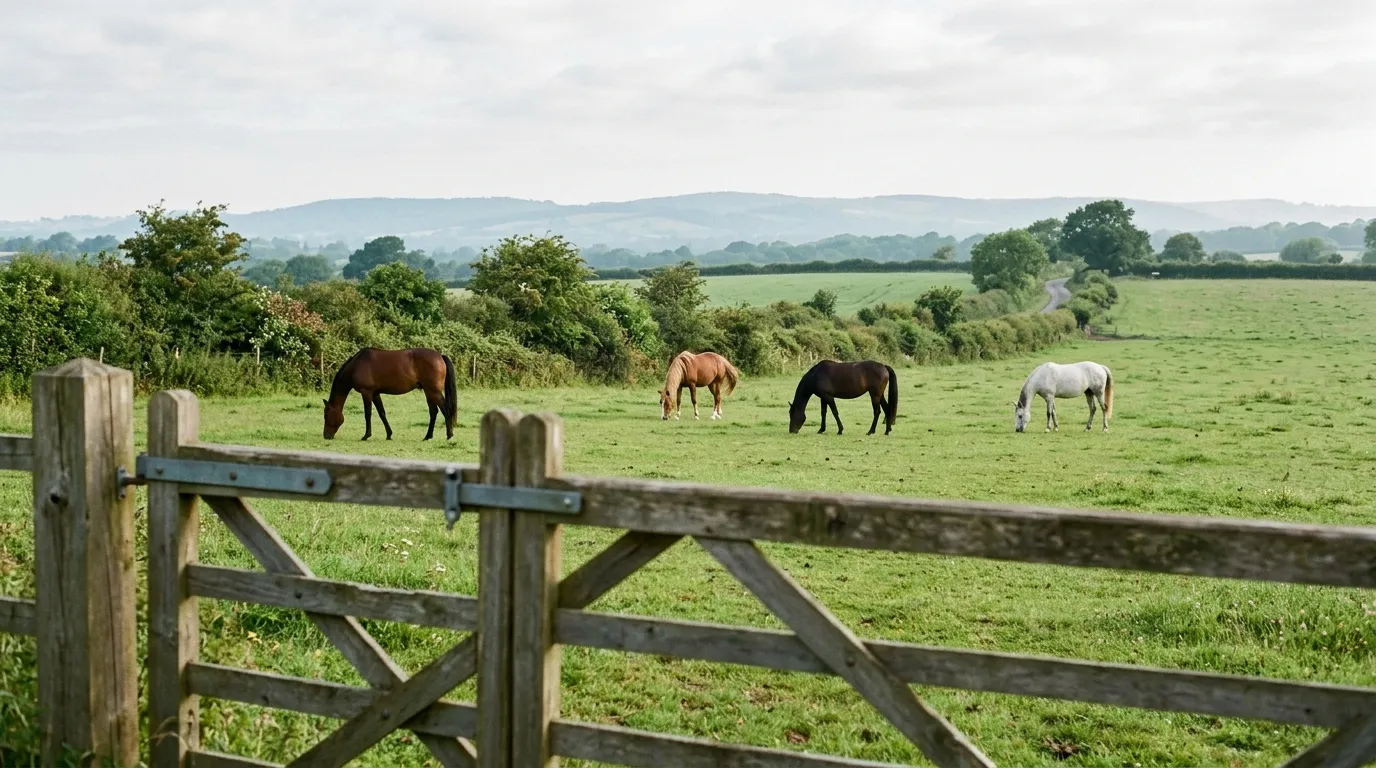
Almost nobody starts by buying a horse. It starts with an hour a week on a riding-school cob, or a friend who needs someone to ride hers on Tuesdays, or a pony you loved at nine and never quite got over. That stage can last years, and plenty of good horse people never leave it. These are the answers worth having while you’re still in it.
Riding before owning
Most riders spend years on other people's horses first. A riding school gives you a lesson a week on a horse someone else feeds, shoes and worries about, and it is the cheapest way to find out whether you still love it in February. A share or a loan is the usual next step: you ride a named horse two or three days a week and pay towards its keep, while the owner keeps the big decisions. Plenty of people stay there for good, and they are no less horse people for it.
Choosing a riding school
Look for a school approved by the British Horse Society or the Association of British Riding Schools: approval means regular inspections, qualified instructors and horses kept to a standard. In England every riding school also needs a council licence, and you can ask to see it. Book an assessment lesson before a course, and ask to ride a few different horses as you progress, because a rider who has only sat on one steady schoolmaster can be surprised by the next.
What a horse costs, roughly
The purchase price is the small part. Livery, hay, bedding, the farrier every six to eight weeks, the vet, insurance and a saddle that fits can add up to more in the first year than the horse cost to buy. Where you live moves the total more than anything else: full livery near a city can cost several times a field rented from a farmer. The cost guide takes the bills one at a time, with the source for each figure.
Hands, heights and which horse fits
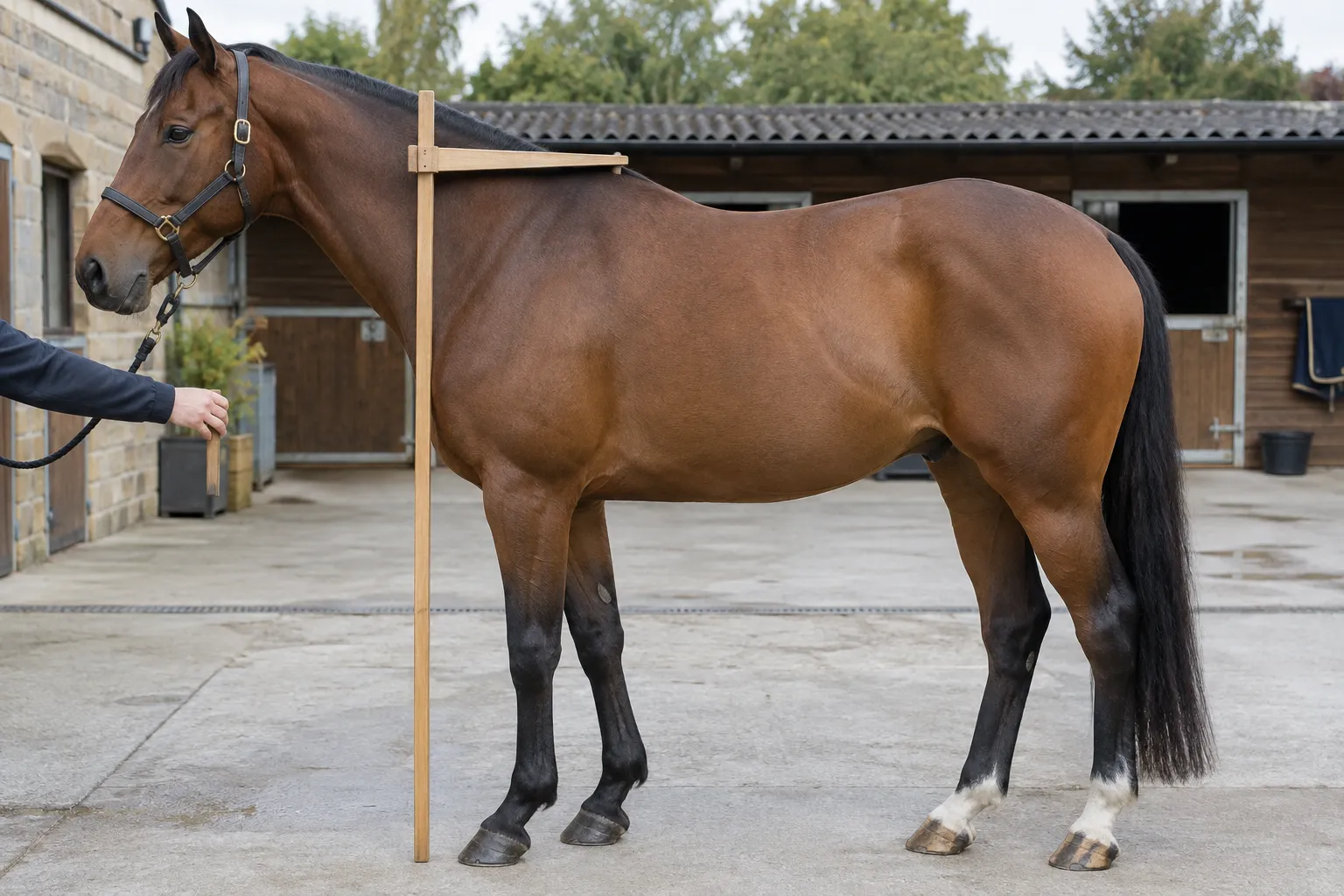
Horses are measured in hands, four inches to the hand, from the ground to the top of the withers. A riding-school cob is often around 15hh, a child's first pony nearer 12hh, and a big Shire can top 18hh. Build matters as much as height: a stocky 14.2hh cob will carry an adult who would look too big on a fine 15hh Thoroughbred. The height converter turns hands into centimetres and back.
How many breeds there are
Hundreds, grouped into hot-bloods, cold-bloods, warmbloods and ponies. You don't need to know them to start riding, but the breed guides are the place to go once one horse in particular has caught your eye. The next stage, choosing your horse, takes them one at a time, with pictures.
What to read first
Two pages to start with: what a horse costs to buy and to keep, line by line, and how hands and heights work, with a converter that turns hands into centimetres.
Buying for someone who loves horses?
Further on
When you have got this far, what comes next is choosing your horse: twenty-one breeds weighed up on temperament, height and cost to keep, so the right horse finds you.