The partnership
What the work turns into: the disciplines you might take up, and the length of the road you are on together.
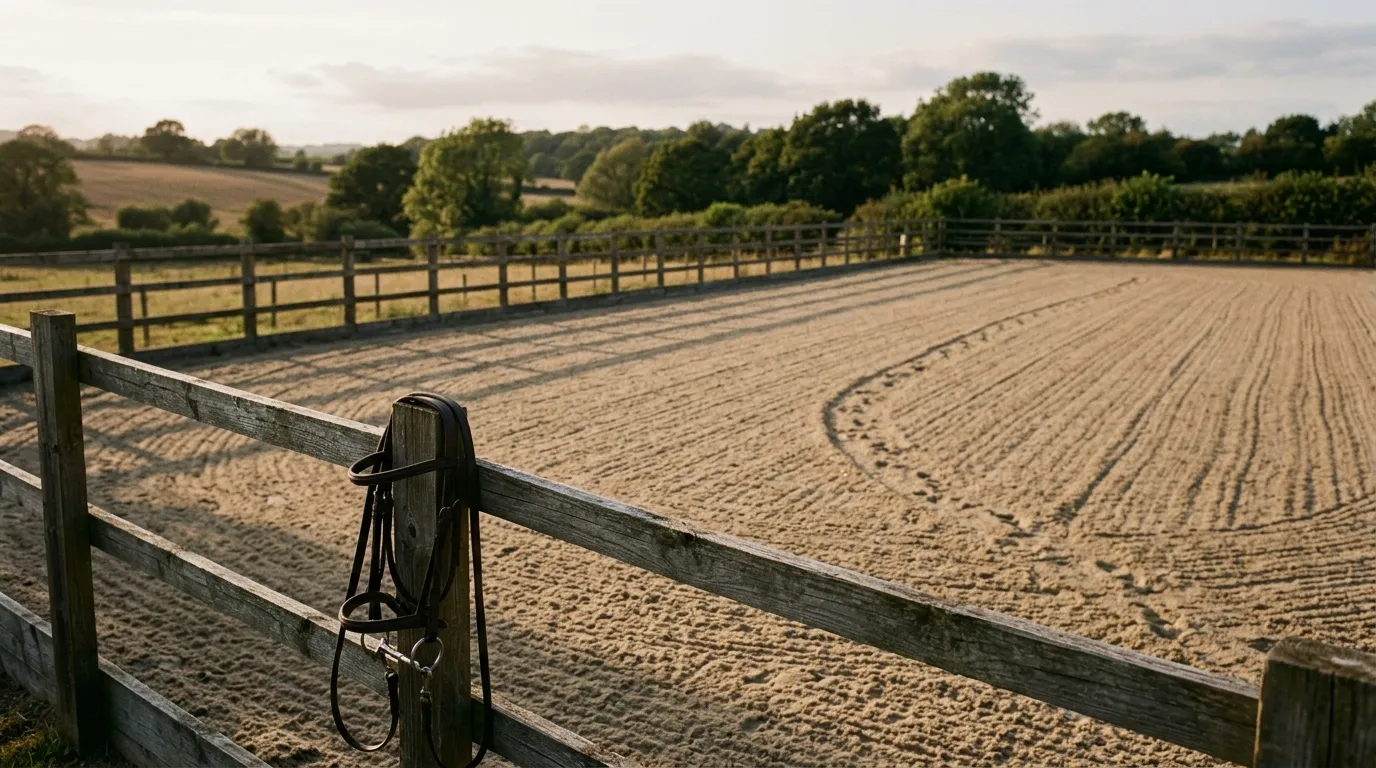
Somewhere past the daily round, a horse stops being an animal you keep and becomes one you know. This stage is about what that looks like: the disciplines people give their weekends to, and the plain arithmetic of how long you’re likely to have together.
The disciplines
Most riders find one thing they want to get better at. Dressage is schooling made visible, judged movement by movement; showjumping asks for a clear round, then a fast one; eventing puts dressage, cross-country and showjumping into a single competition. Racing is its own world, and point-to-point is the amateur door into it. Riding club and unaffiliated shows let you try all of them before you pay for a membership in any. Affiliated competition runs through each sport's governing body, British Dressage, British Showjumping and British Eventing, each with its own membership, horse registration and levels.
Years, not seasons
Horses commonly live well into their twenties, and ponies often longer. A horse bought at eight may be with you for fifteen years or more, through a first competition, a change of yard, a family and a quieter retirement. The lifespan page sets out what is known and what is only repeated. Older horses need more from you, not less: teeth checked once or twice a year, a closer eye on weight through winter, and work kept gentle and regular for as long as they enjoy it.
Retirement and company
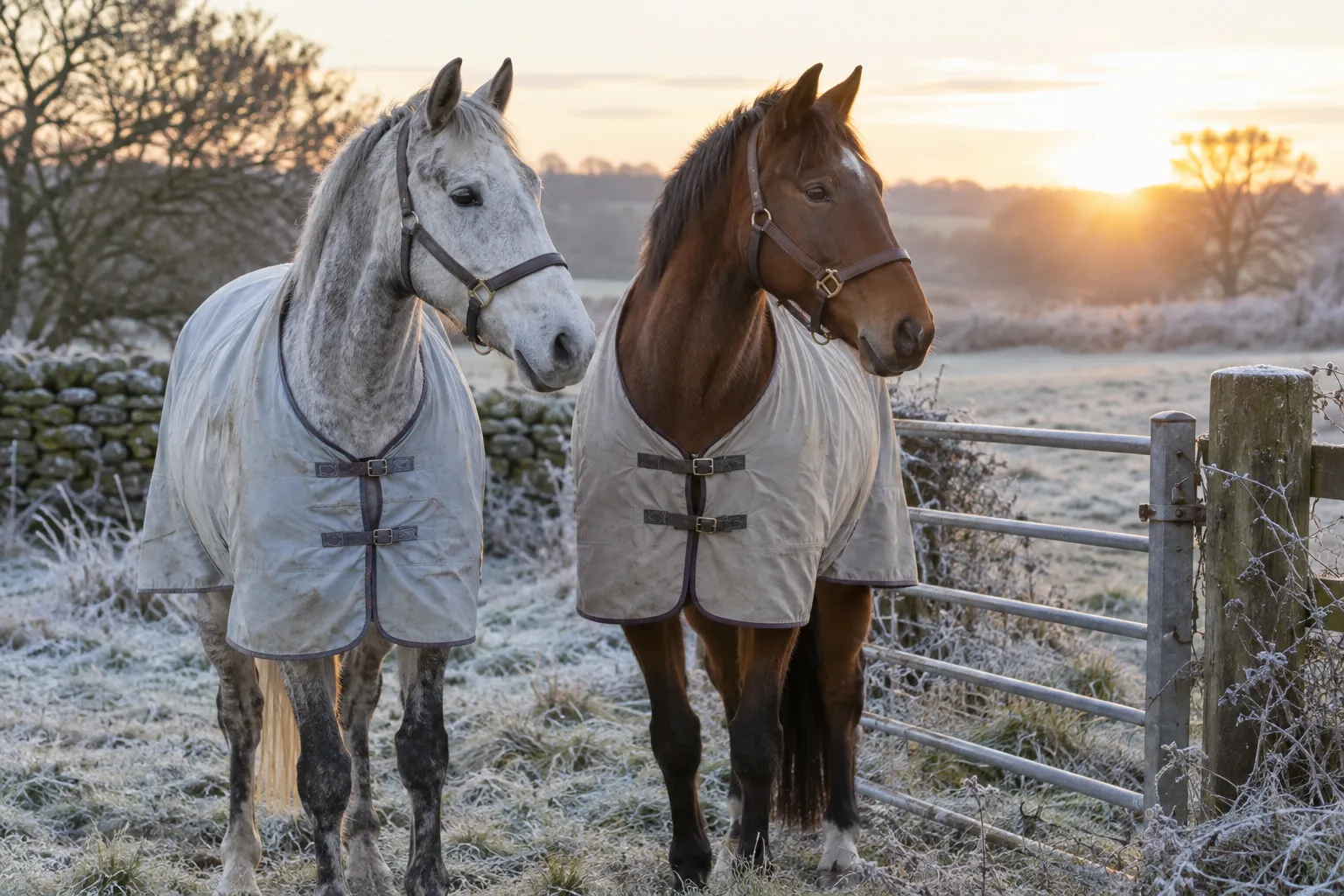
A horse that can no longer work still needs company, turnout and the same daily care. Soundness usually decides when a horse retires more than the number of years does, and the question of whether it can live alone comes up quickly. Horses are herd animals, and the welfare codes say so plainly. Retirement livery yards exist for exactly this, with field-kept herds and someone checking them every day.
Marking the milestones
A first rosette, a twentieth birthday, the last ride before retirement: a long partnership is full of days people want to keep. Most owners already have the photographs on their phone, and a print of the right one, or a portrait made from it, puts that day on the wall.
When it ends
Every partnership ends, and the practical side arrives at the worst moment: the vet, the decision about where the horse goes, and a passport that has to go back to its issuing office within 30 days. The last pages in this stage cover the arrangements, and what to say to someone who has lost a horse.
What to read first
Racing and the riding disciplines come first, then the long years together and retirement, and last of all the practical pages for when a horse dies.
The whole road
There is no stage after this one. The full path runs from dreaming of horses through to the partnership.