What do you do with a horse when it passes away?
What you may do with a horse after death depends on which UK nation you are in, and burial is not permitted everywhere.
What you may do with a horse after death depends on which UK nation you’re in. Defra's fallen stock guidance is explicit that the rules differ: “In England, you’re allowed to bury horses whether they are pets or not.” In Scotland and Wales the guidance is narrower: “only pet horses can be buried”. So a horse that worked, competed or was ridden commercially may not qualify. One caution before you dig: gov.uk’s own keeping horses page puts it more narrowly again, saying only that “if your horse was a pet, you may be able to bury your animal” and telling you to contact your local animal health office for advice. Two government pages, two emphases, so make that call and get the answer for your own land before you commit to anything (both read 9 September 2026).
Where burial is not used or not allowed, the approved routes are collection by the National Fallen Stock Company, or a knacker, hunt kennel, incinerator or renderer. Your vet or yard will usually have a standing arrangement with one, and it’s worth knowing which before you need it, not on the day.
The options at a glance
| Route | What happens | Good to know |
|---|---|---|
| Burial | On your own land, where the rules for your nation allow it | Check with your local animal health office first |
| Collection | The National Fallen Stock Company, a knacker or a hunt kennel collects the body | Usually the quickest route; your vet or yard will know who covers your area |
| Cremation | An equine crematorium, individual or communal | Individual cremation means the ashes can come back to you |
Planning ahead
Most horses do not die of old age in their sleep; the end is usually a decision made with a vet. World Horse Welfare publishes two free Just in Case leaflets for working out, before it is urgent, where it would happen, who would be there and what would happen to the body. It is a hard conversation to have in advance and a far harder one to have on the day. If the horse is insured, tell the insurer as early as you can; most policies need the vet’s certificate.
On the day
If the end is planned, choose a quiet time and a familiar place, and decide beforehand who will hold the horse. Many owners stay; others say goodbye and let the vet and a friend take over, and neither is wrong. Have the collection booked or the burial site ready, and ask your vet whether a field-mate should see the horse afterwards. Ask the vet anything you want to know before the day, not after; they would far rather be asked.
The horse left behind
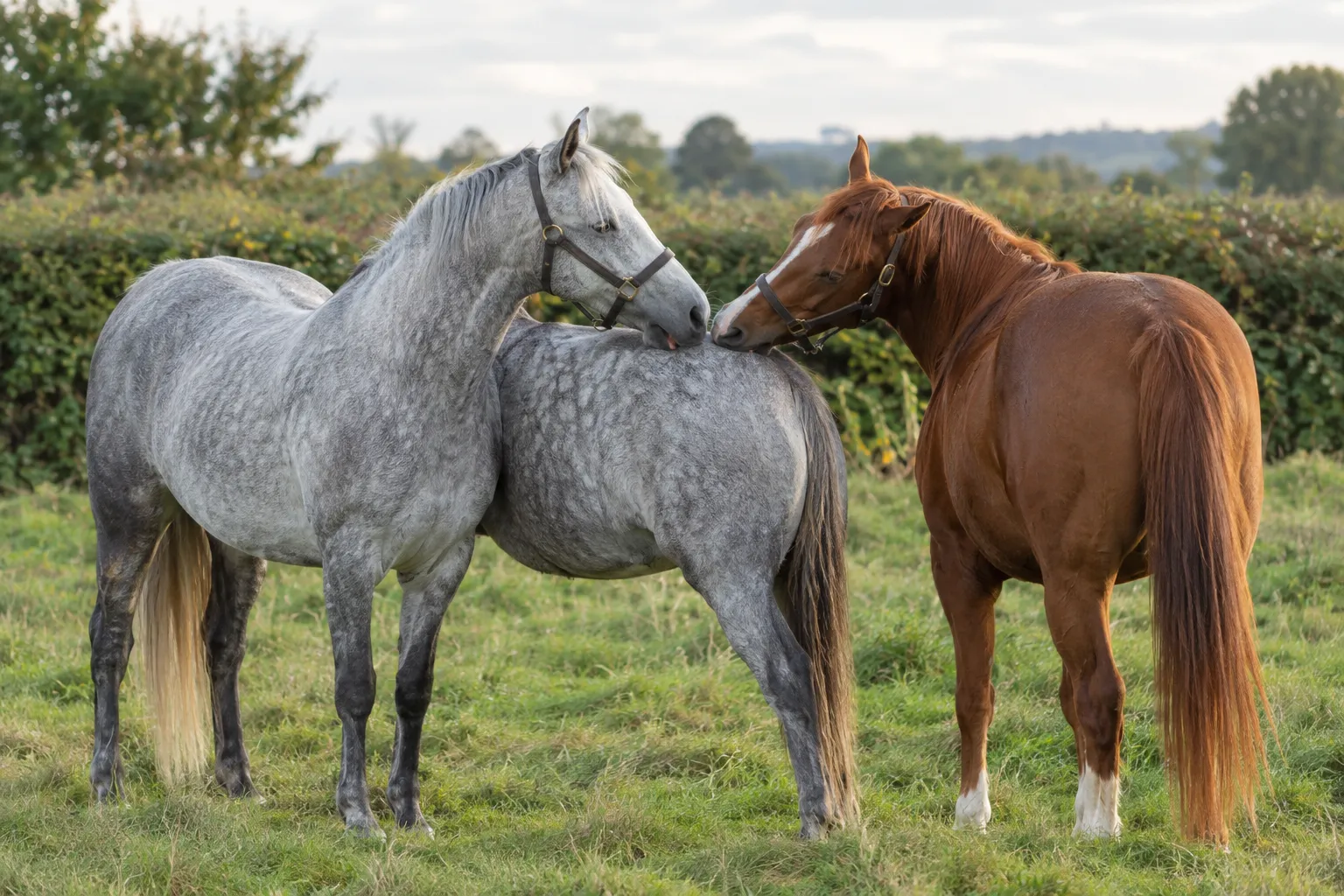
The paperwork is separate and has its own deadline: see what happens to the passport. If the horse leaves a field-mate behind, a horse kept alone has its own welfare considerations.
Once the practical side is dealt with, some owners mark the horse with something kept: our horse memorial gifts are made to order.