After racing.
Around seven thousand Thoroughbreds leave British racing each year. The first proper count of what happens next found a population larger, younger and more ordinary than the sport's arguments suggest.
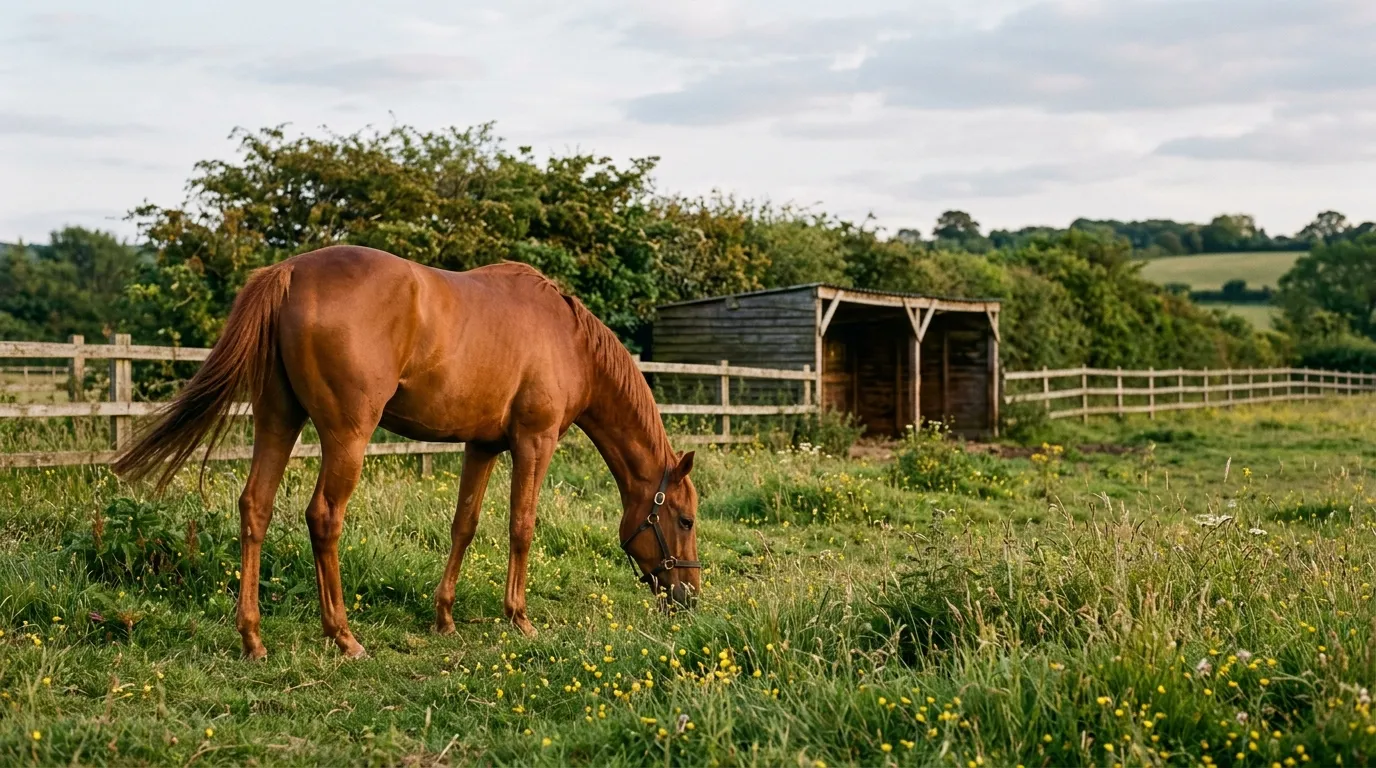
Around seven thousand Thoroughbreds leave British racing every year. What happens to them afterwards was, until recently, largely unmeasured, and the first proper count found a population far larger and far more ordinary than the sport's public arguments suggest.
The first census, and what it found
Britain’s first Thoroughbred Census was carried out by Hartpury University for British racing’s Horse Welfare Board and reported in 2023. It registered 8,256 horses, of which 5,566 were previously unrecorded, which is the finding in a sentence: two thirds of the horses it counted weren't in anybody’s records before it went looking.
It put the former racehorse population of Britain at roughly 33,600, against about 21,814 horses in racing in a given year. There are, in other words, substantially more retired racehorses in this country than racing ones.
Of the 7,000 that leave racing each year, 40% (2,800) enter retraining. Retraining of Racehorses, the sport’s official charity for the purpose, had around 13,000 members at the time of the census; combined with the census data that covers an estimated 80% of the former racehorse population.
Most of them are not competing
This is the part that surprises people who only meet Thoroughbreds on television. The census found the largest single second career is leisure riding at 36%: hacking, happy hacking, a horse in a field that somebody rides at weekends. Dressage accounts for 11%, showjumping 8% and eventing 8%.
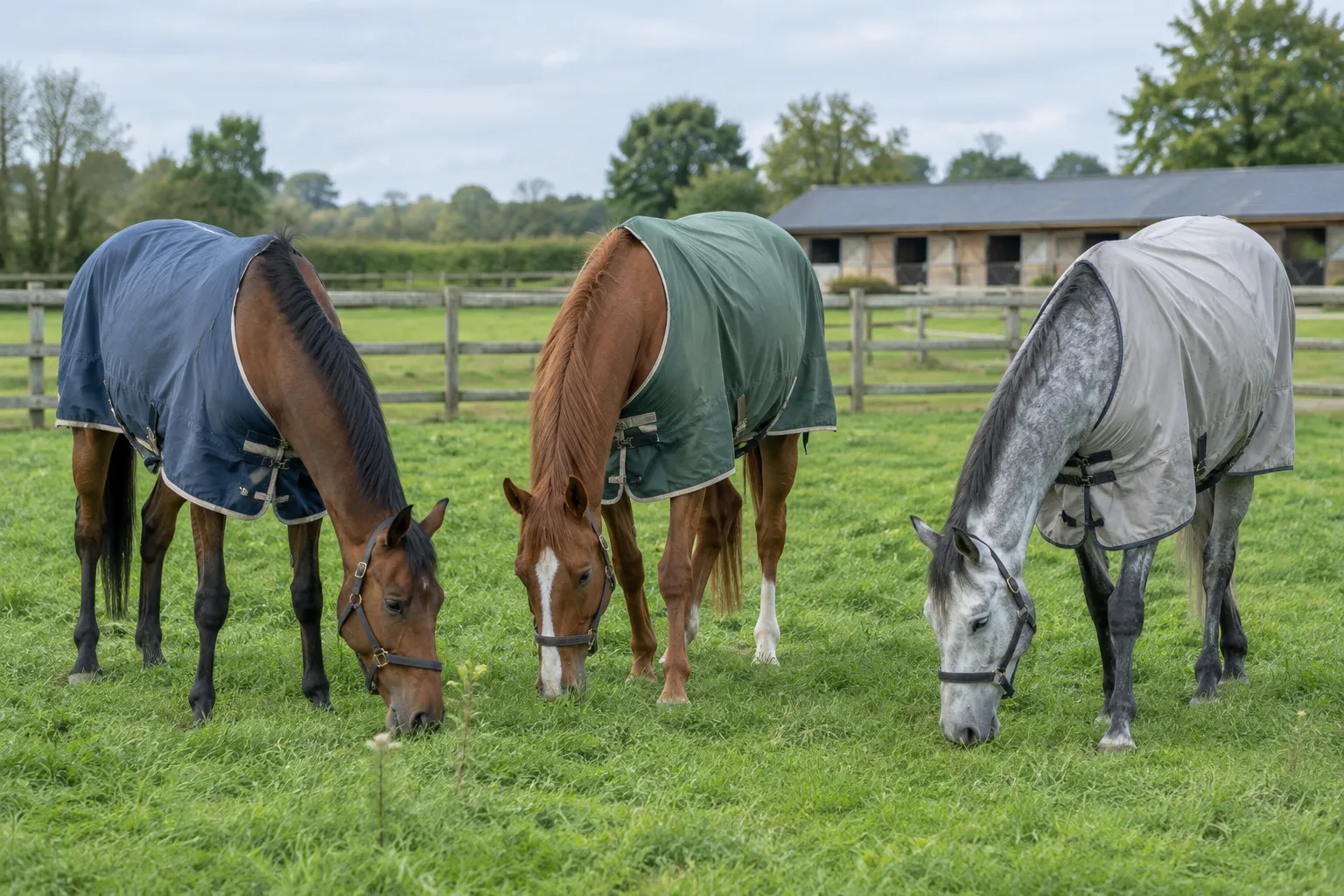
So the typical ex-racehorse is not an eventer in the making. It is somebody’s riding horse, and the retraining that matters is the unglamorous kind: learning to stand still, to hack alone, to be ridden by an amateur on a Sunday.
They are young, and they stay put
62.9% of the former racehorse population is aged between 5 and 14. These are not old horses seeing out their time. A horse leaving racing at five or six has fifteen or twenty years of a second life in front of it, which is a longer career than the racing one by some distance.
And 38.6% are still with their original post-racing owner. The first home after racing is, more often than not, the permanent one.
What the retraining involves
The phrase suggests schooling. Mostly it is subtraction. A horse coming out of a racing yard has been taught, correctly and thoroughly, a set of habits that are wrong everywhere else: to go forward into contact, to move off in company, to associate a saddle with speed, and to be handled by people who are quick and confident around it.
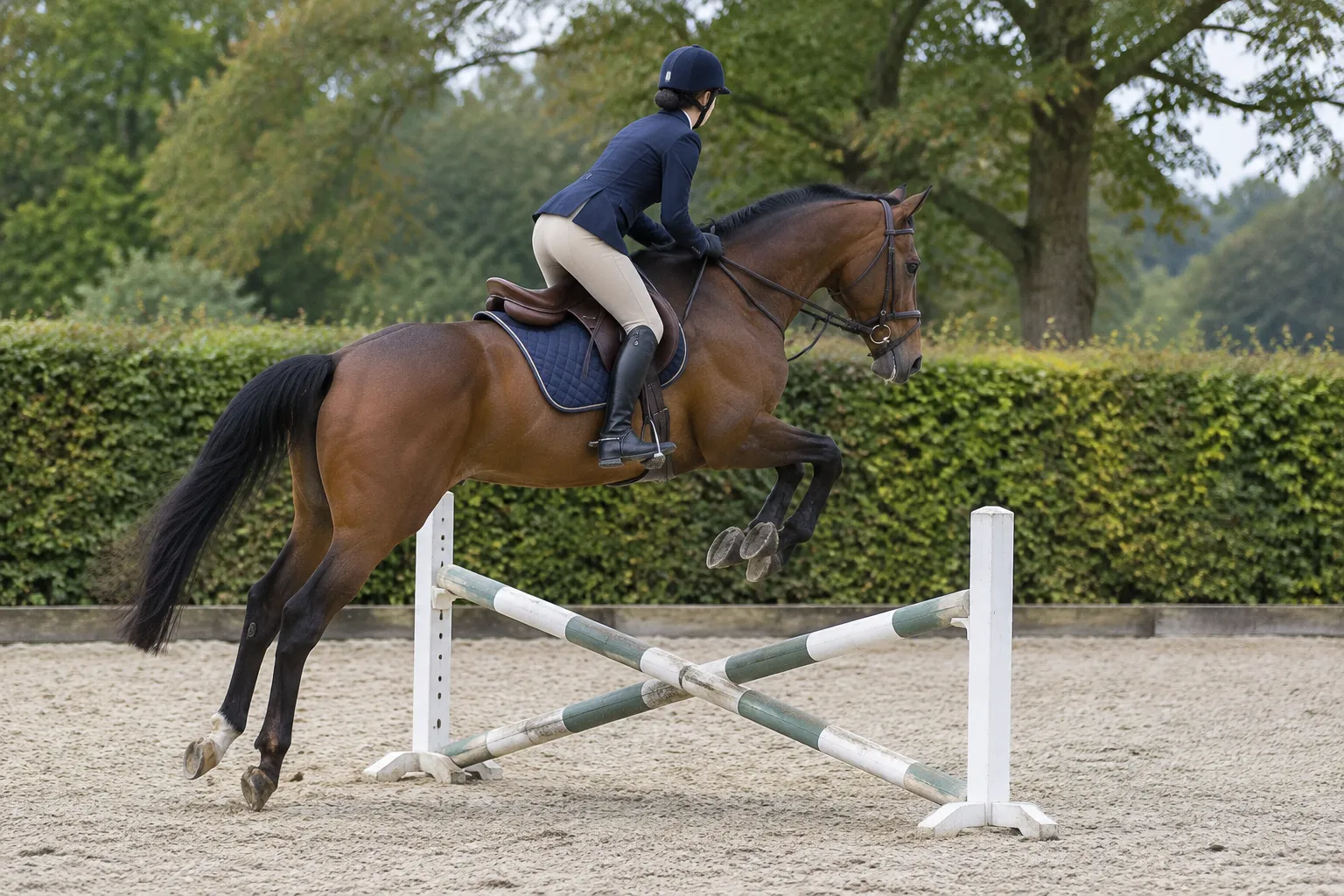
So the work is teaching it to stand still while being mounted, to hack out alone, to accept a leg aid that does not mean go, and to be ridden by somebody less balanced than a professional jockey. It takes months, not weeks, and it is why the population figures above matter: the horse in the field down the road is far more likely to be somebody's patient project than a competition prospect.
The other half of it is physical. A horse in racing is fit in a specific, narrow way, and turning that into a riding horse means letting muscle redistribute, which takes a winter.
What that means if you are thinking of one
An ex-racehorse is a Thoroughbred, with everything that implies: fine-coated, thin-skinned, sharper than a cob and less able to hold condition through a wet winter. See the rug guide on why breed moves that answer more than the calendar does. They are also fit, well-handled, used to travelling and used to being clipped, shod and vetted, which is more than can be said for a lot of horses sold as riding animals.
The retraining is real work and it is mostly about undoing habits more than teaching skills. The Thoroughbred page covers the breed and its rulebook; if the horse came through the amateur route, point-to-point explains that world.
If you are buying for the owner of an ex-racehorse, horse racing gifts covers the portrait, the race-day photograph and the name print.