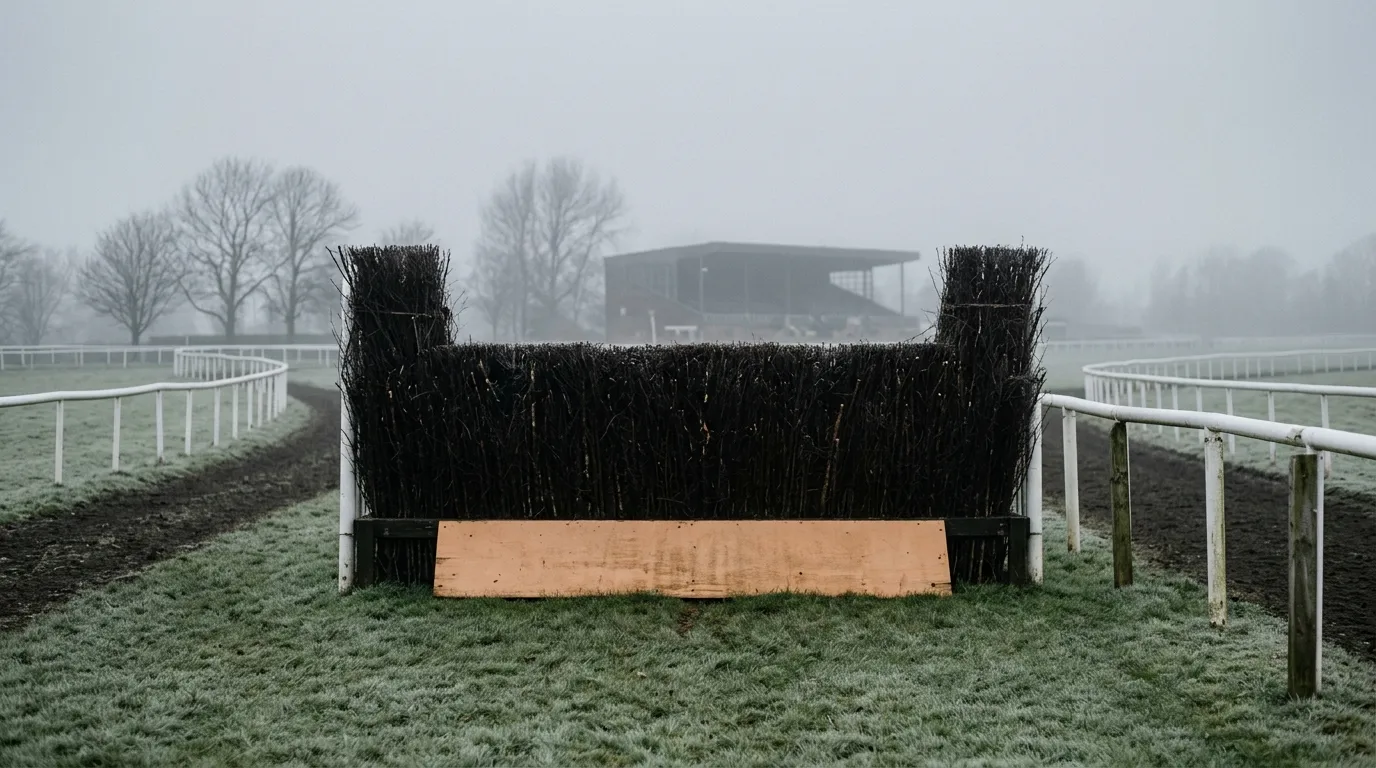
Point-to-point horse racing, and the jumps season.
The amateur end of British jump racing, and the only racing in this country legally tethered to hunting.
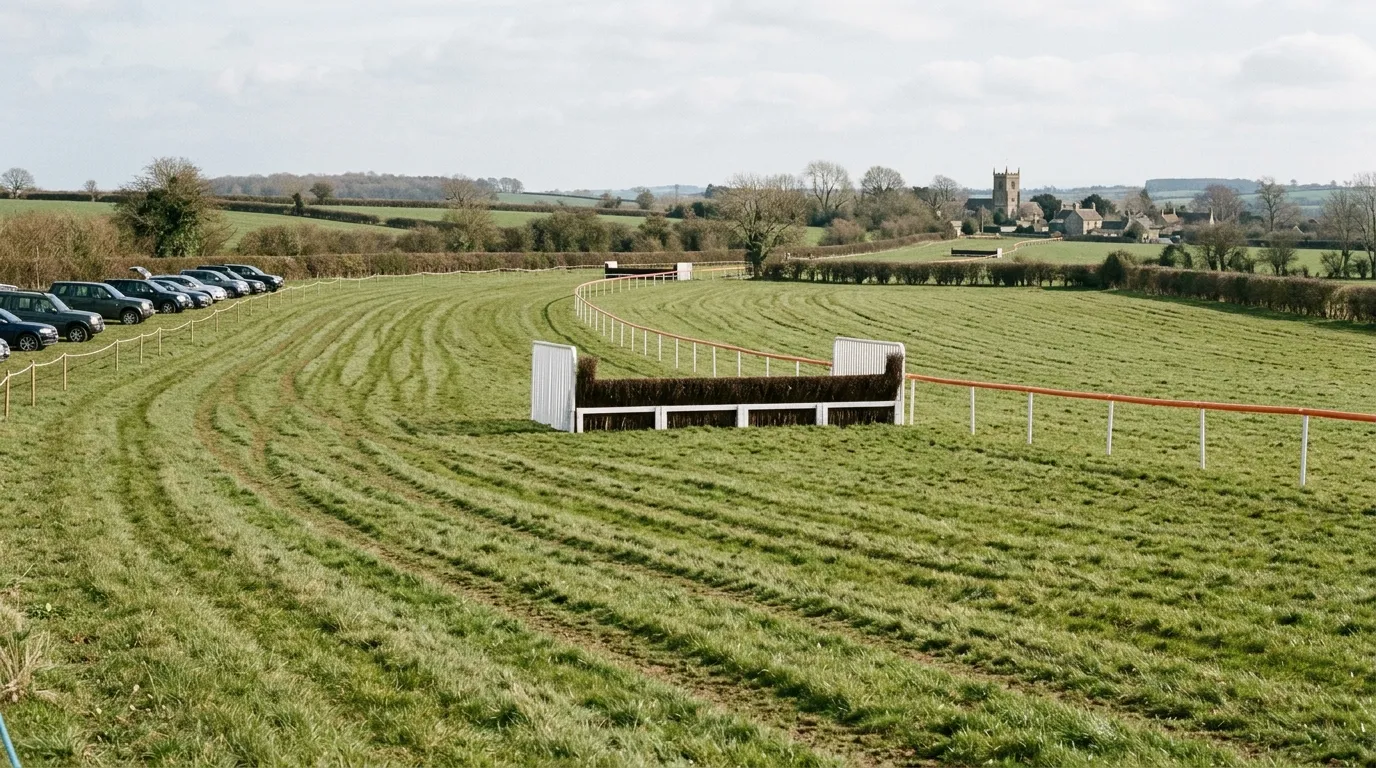
Point-to-point is the amateur end of British jump racing, and it’s the only form of racing in this country legally tethered to hunting. That single fact explains almost everything else about it: where it happens, who rides, and why the season runs when it does.
The horse has to belong to a hunt
This is the rule that makes point-to-point a different sport from everything else under Rules. The BHA Regulations for Point-to-Point Steeple Chases state that horses are only eligible to be entered “in Hunt Members Steeple Chases for which they either have a registered Hunter Certificate for that hunt or hunts” , and the certificate is not a formality. The regulations require the horse to be “the property of either the Master(s) Members, Subscribers or Farmers” of the hunt concerned.
The administration is exact in a way that tells you what kind of sport it is. You don’t turn up and enter on the day. A certificate “registered by noon on Thursday shall qualify the horse concerned to be entered in Point-to-Point Steeple Chases which close on or after the following Saturday”, and to run in a race restricted to certain hunts the certificate “must have been signed and issued by the Master of one of the Hunts concerned”. A horse may run in a maximum of two hunt races on different registered certificates.
Horses under four years old are not eligible at all.
Who rides, and the races nobody else has
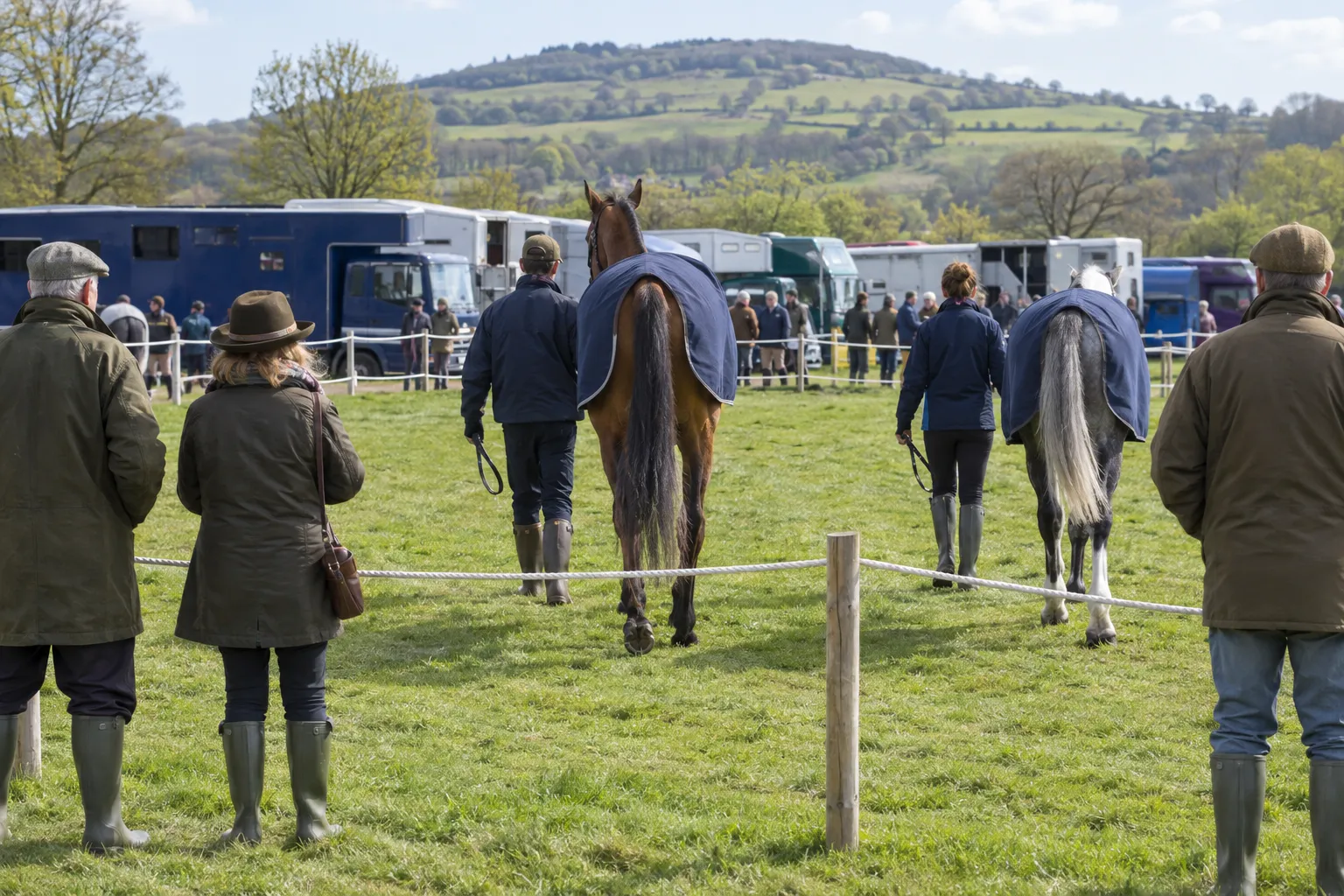
Riders must be at least sixteen and hold a Riders Qualification Certificate for the current season, plus a Medical Record Book issued by the BHA. They’re amateurs. That’s the point of it, and it is why the paddock at a point-to-point contains the people who ride the horses, not the people who employ them.
The regulations also carve out races that exist nowhere else in sport: alongside Hunters’ Steeple Chases, they name the Grand Military Gold Cup and the Royal Artillery Gold Cup as specific exceptions in the eligibility rules. Races for serving and former military riders, still run, still written into the rulebook.
How it relates to National Hunt racing
National Hunt is the professional jumps game: hurdles and steeple chases run under Rules through the winter, building to the Cheltenham Festival in March and the Grand National in April. Point-to-point is its amateur foundation, run mostly by hunts on farmland, and the two are a pathway, not two separate worlds: a great many horses that later run under Rules started between the flags, and the form is followed closely by people looking for them.
When the season runs
Pointing runs through the winter and spring, opposite to the Flat, with the bulk of fixtures falling between the turn of the year and late spring.
Which is worth knowing if you follow it: the horses running in April have usually been out since the new year, and the form book is thickest exactly when the season is about to stop.
Going to one
A point-to-point is not a racecourse day and people arriving expecting one are usually surprised. Meetings are held on farmland borrowed for the purpose, the course is roped, not railed, and you park on grass and watch from your car if you want to. Entry is per car as often as per head, dogs are normally welcome, and the whole thing runs closer to a country show than to Ascot.
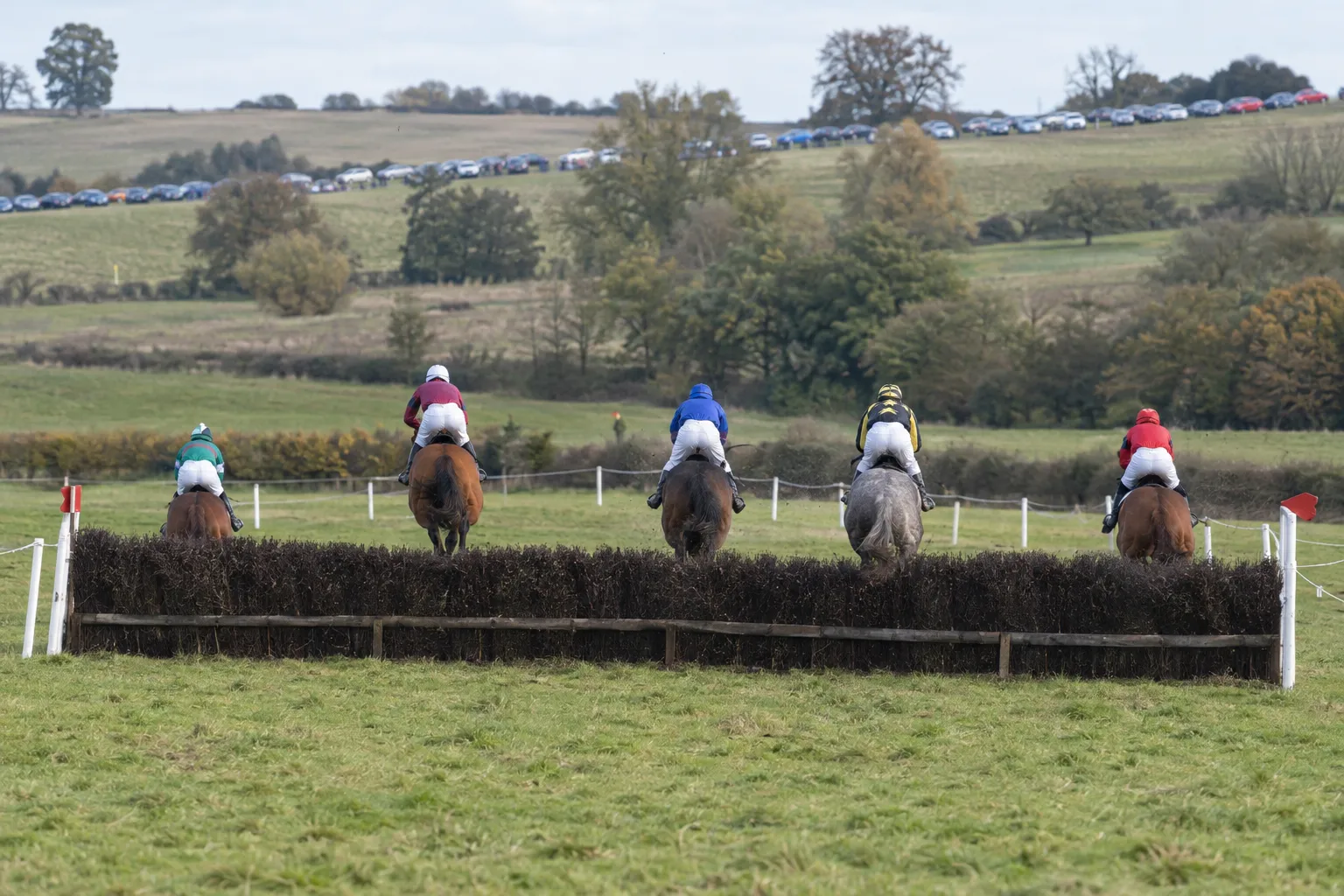
It is also a setting where you can stand at a fence and hear the horses go over it. If you have only ever watched racing on television, that is the thing worth going for.
Because the fixtures are hunt-run and weather-dependent on farmland, they move and they abandon. Check before travelling, not after.
Why the horses are different
A pointer is typically an older, tougher horse than you will see on the Flat, often one that has already had a career under Rules, and frequently a gelding. The four-year-old minimum in the eligibility rules is the floor, not the norm; the sport is full of horses in their eight, nine and ten-year-old seasons still going round.
That longevity is why point-to-point people become attached to individual animals in a way Flat followers rarely do. You can follow the same horse for years, and the family that owns it is usually standing at the same fence you are.
If you follow it, or ride in it
Point-to-point people tend to know the horse, the family that owns it and the hunt it is certified to, which is a closeness the professional game does not offer. It is also the part of racing where the horse is most likely to be a genuine second career or a family animal, not an investment. See what happens to racehorses after racing, and the Thoroughbred for the breed itself.
For the person who owns or shares the horse, see horse racing gifts.