Horse racing gifts
Horse racing gift ideas for the owner, the syndicate member, the racing fan or the racing family: the horse itself, the colours it runs in, or its name set properly. Made to order.
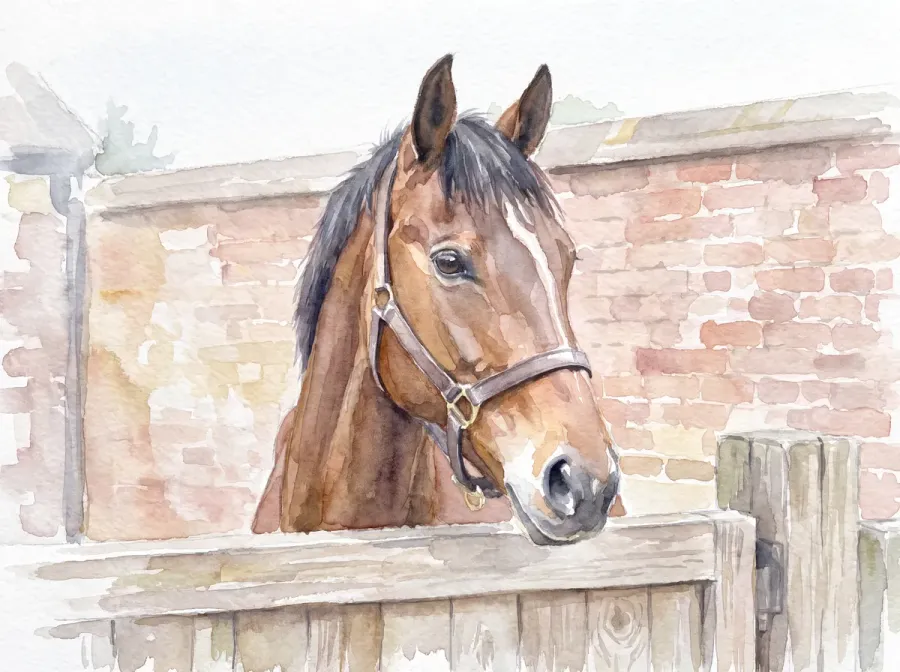 A race-day photo as a portraitFrom £19.99
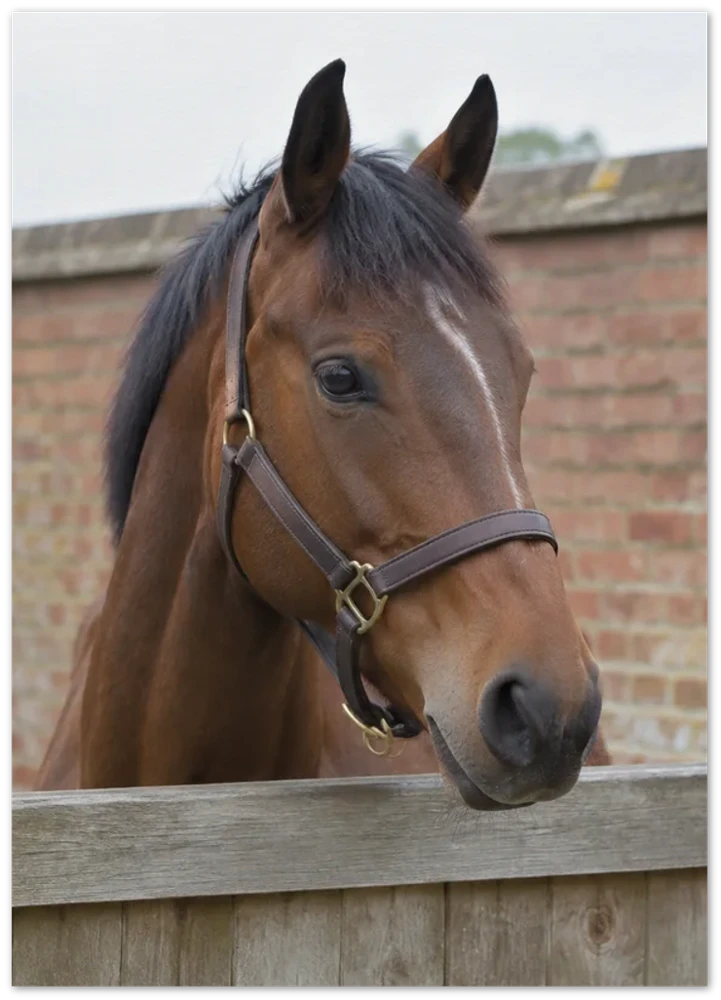 A race-day photo, printedFrom £15.99
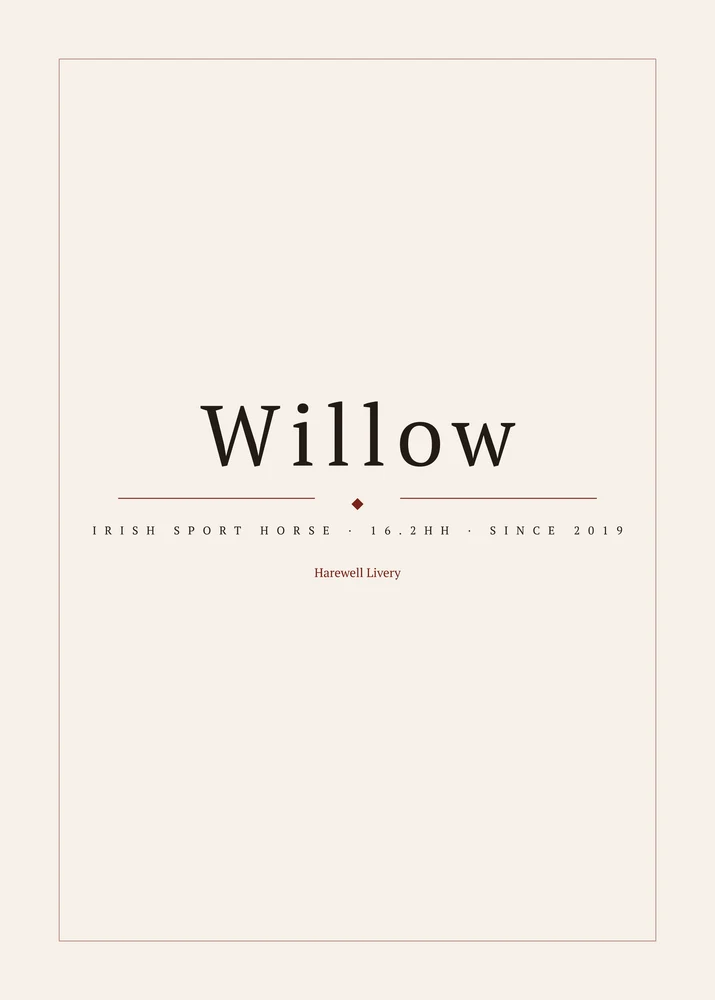 A racing name, set in typeFrom £15.99
Made to order. Free UK delivery, 4–9 working days.
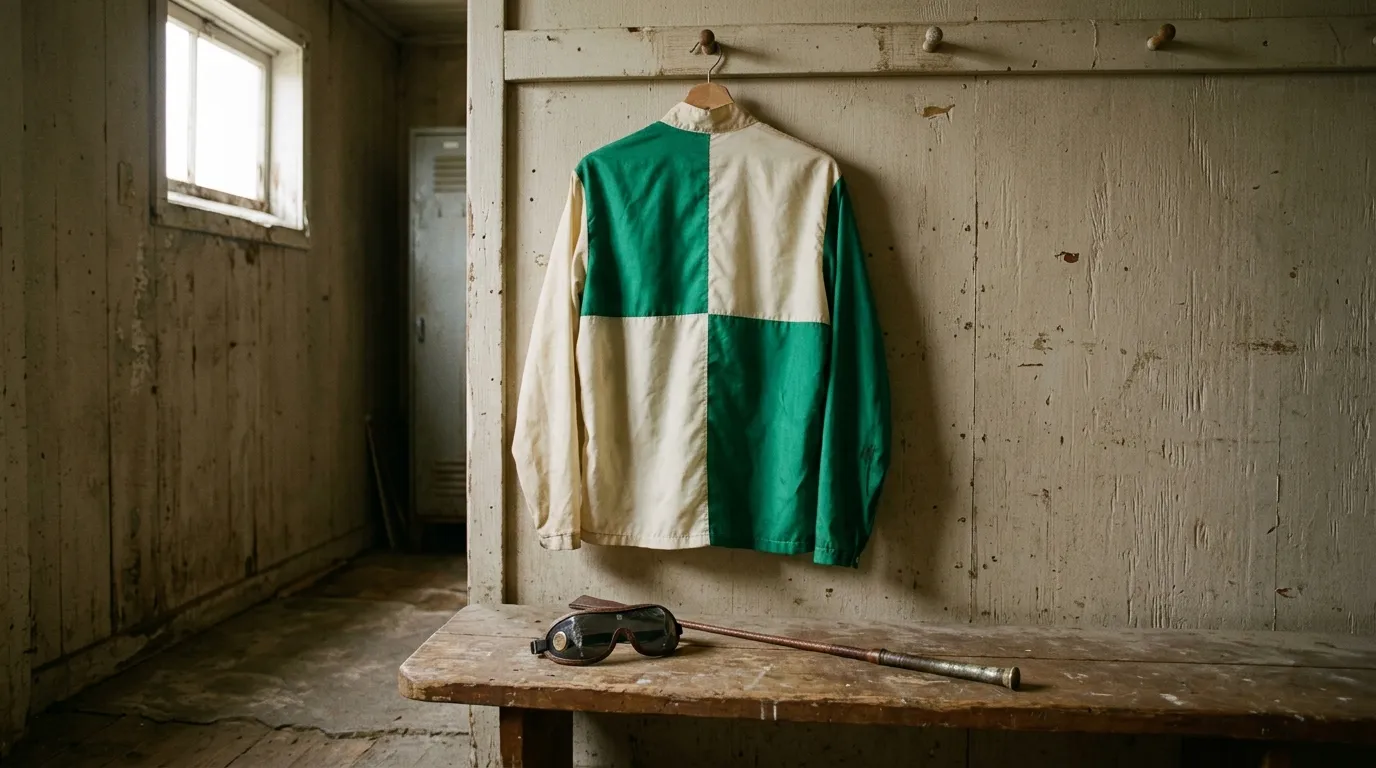
Horse art to give
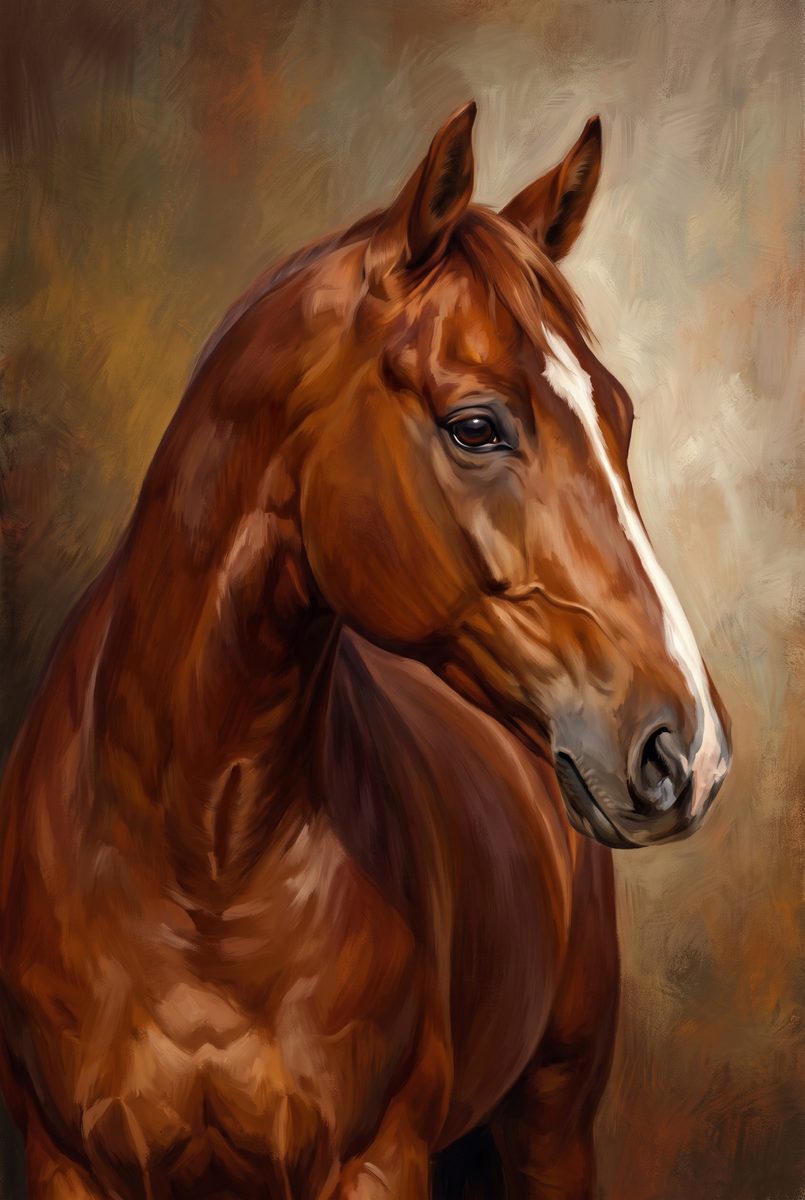
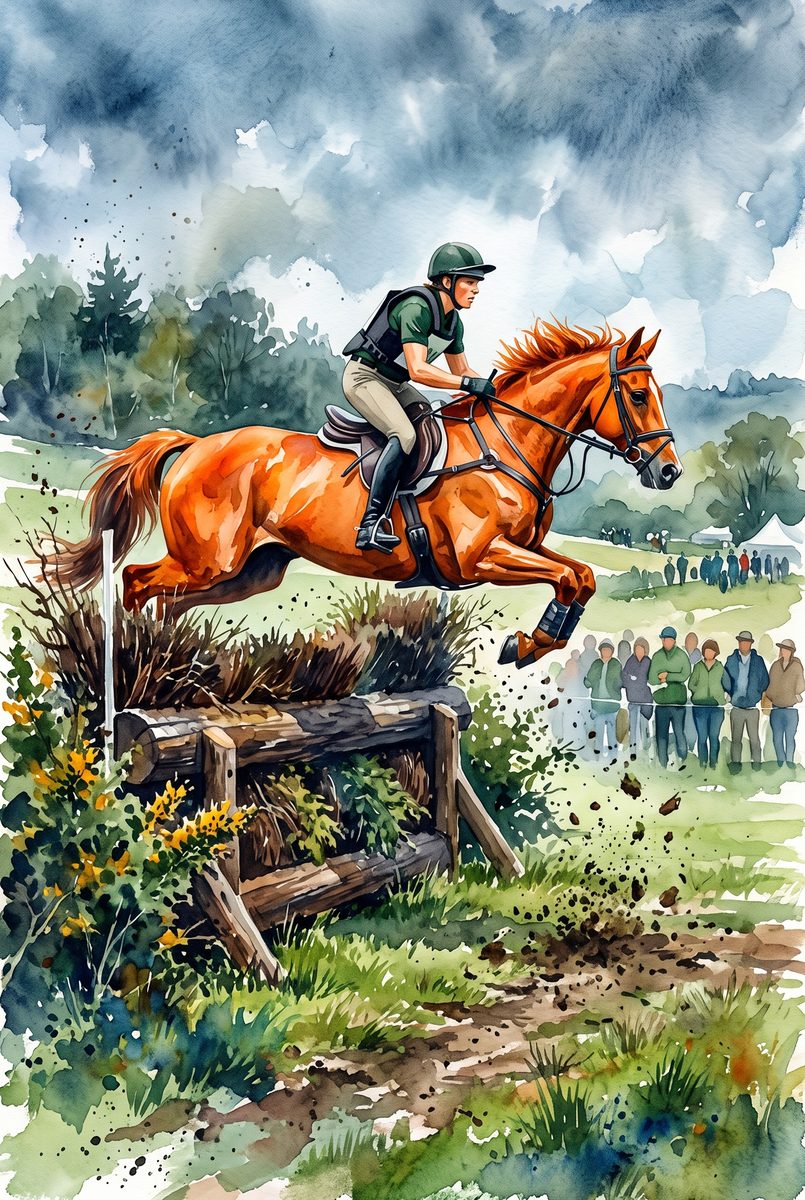
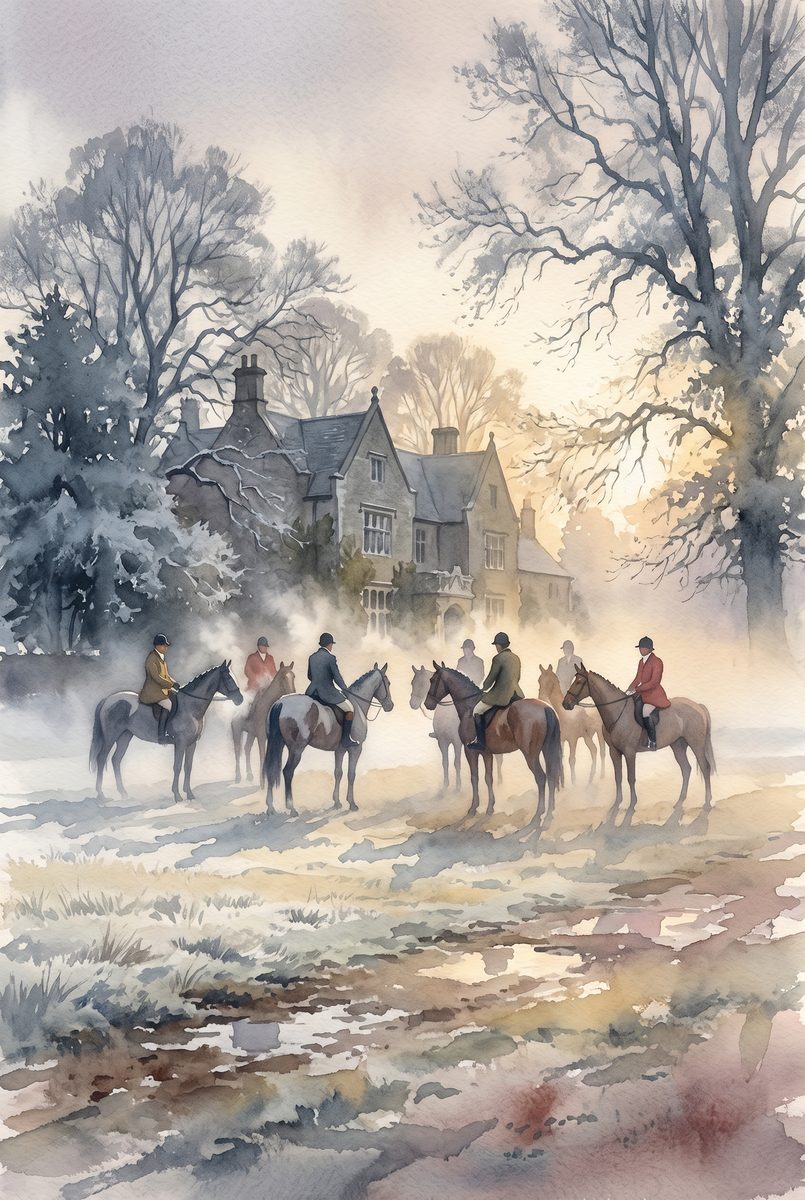
Racing gifts divide cleanly into two kinds: things for a day at the races, and things about a particular horse. Nearly everything sold under this heading is the first kind: hip flasks, binoculars, race-day accessories, a gift card for a meeting. This page is the second kind.
The silks are the gift, and they are not decoration
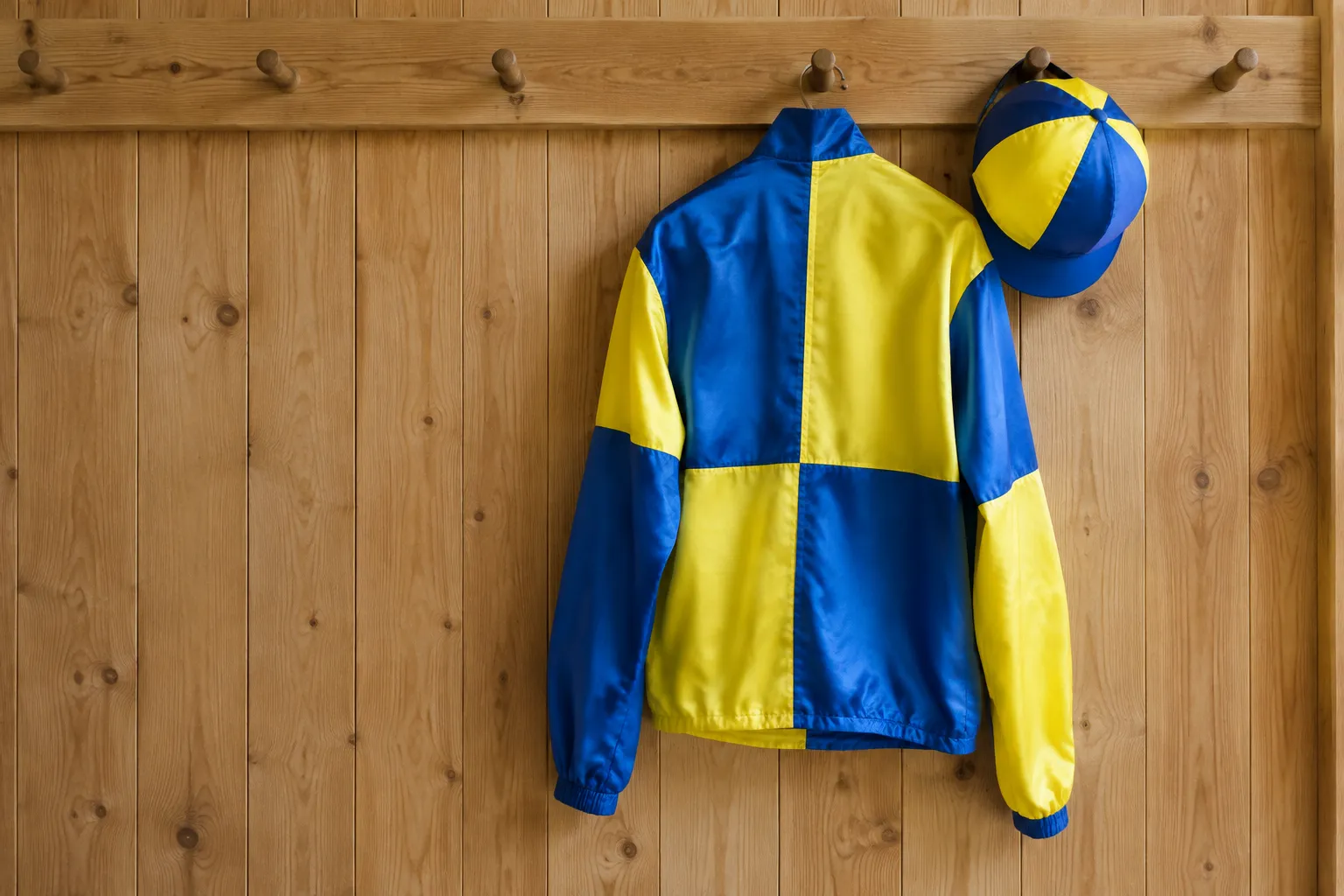
If there is one image that belongs on a racing enthusiast’s wall it is a set of colours, and most people don't realise that colours in Britain are a registered asset with a rulebook behind them. The British Horseracing Authority is explicit that “each registration of racing colours is required to be unique”, and the guidelines that enforce it are far stranger than anyone selling racing merchandise lets on.
Some combinations are forbidden. “Any combination of BLACK, DARK BLUE, DARK GREEN or PURPLE will not be permitted in new registrations”. Not for taste, but because at four furlongs in poor light nobody can tell them apart. Seams on sleeves do not count as a distinguishing feature. Neither, normally, does the cap: “All fresh applications for new Racing Colours must have a unique body and sleeve design”.
The exception is the one worth knowing if you are buying for a family. “The spouse (including common law partners), child, parent or grandchild of a registrant may register the same colours provided a differentiating cap is registered.” Colours pass down a family, in other words, but each generation must wear a different hat. And when a set lapses it does not vanish. “All colour combinations which lapse will be available for re-registration following a three-month moratorium”, so a set can be inherited by a stranger three months after somebody stops paying for it.
| BHA rule | What it means for a gift |
|---|---|
| Every registration must be unique | A set of colours belongs to one owner or one family |
| Black, dark blue, dark green and purple cannot be combined | Registered colours are bold by design, and print well |
| Family members may share colours with a different cap | The same colours can mark three generations |
| Lapsed colours return after three months | A set can pass to a stranger, so a print keeps it in the family |
Which is the argument for printing them. A set of colours is a small, finite, registered thing that belonged to one family, and it reproduces beautifully because it was designed to be legible at distance.
For the owner or the syndicate member
Racehorse ownership is mostly syndicates now, and syndicate members are the most under-served gift recipients in the sport: they have a share in a horse, a genuine emotional stake, and nothing in the house to show for it. A print of the horse, or of the colours it runs in, is the obvious answer and surprisingly few people give it.
For the racing family, or the horse that mattered
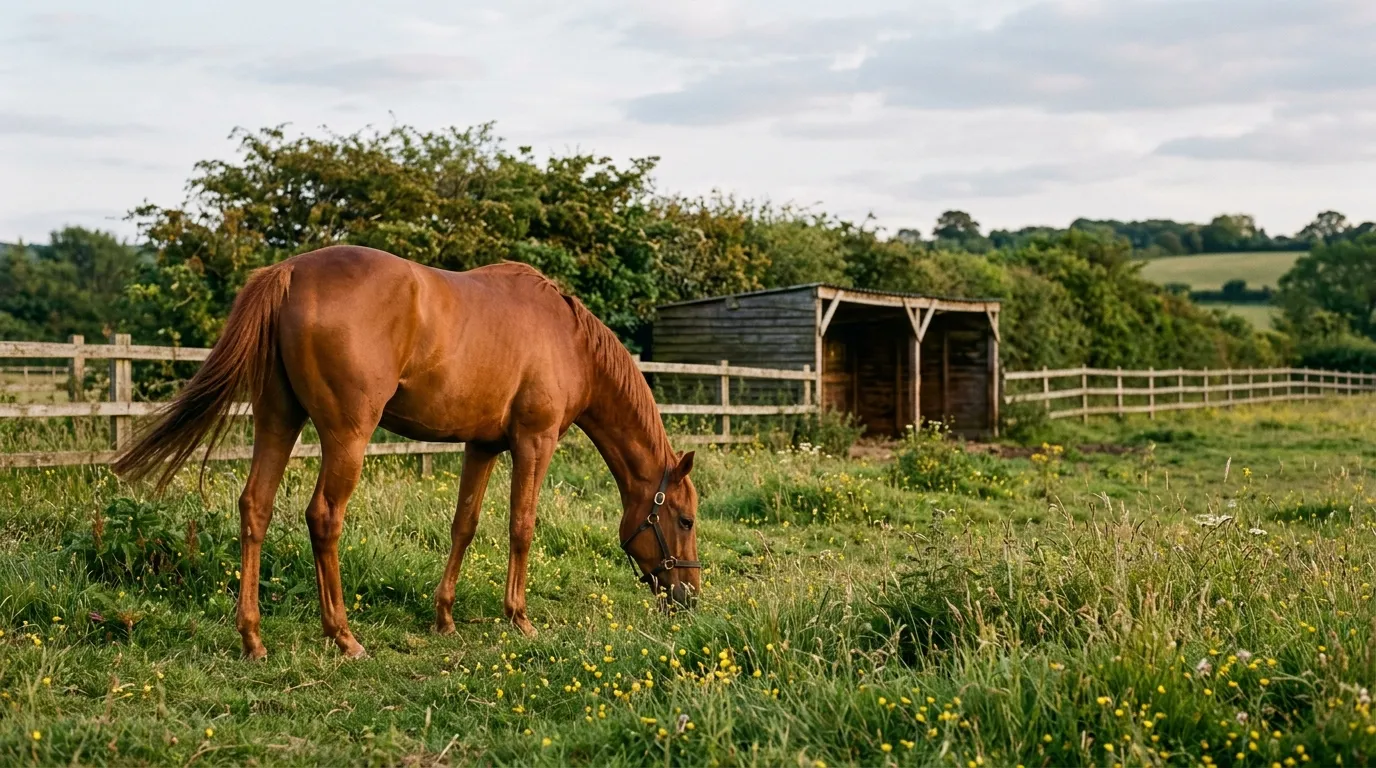
The other reliable gift is the horse itself: a good photograph from a race day, printed properly instead of left on a phone. Winner’s enclosure shots, the parade ring, a grey in the closing stages. Race-day photographs are usually taken at distance in poor light, so check the resolution before ordering anything large.
The name, and why racing names read the way they do
A racehorse’s name is regulated as tightly as its colours, which is why they read like telegrams. Weatherbys allows a maximum of eighteen characters including spaces and punctuation, and roughly three thousand names are protected outright and never return. The full rules, and a generator that works within them, are on our horse name generator.
Jumps or Flat: they are not the same follower
Ask which before you buy anything. British racing runs two sports under one name and people tend to belong firmly to one of them.
| They follow | What they attach to | What to give |
|---|---|---|
| National Hunt (jumps) | Individual horses, over many seasons | A portrait or print of a favourite horse |
| The Flat | Trainers, jockeys and the big meetings | The colours, or a horse’s name from a great day |
| Point-to-point | Horses and families they know personally | A name print of the horse, with the hunt or the yard |
National Hunt, the jumps, runs through the winter and builds to the Cheltenham Festival in March and the Grand National in April. Its horses are older, race for years, and become famous to the people who follow them; a jumps follower can usually name a favourite horse from a decade ago. That makes the horse itself the right subject for a gift.
The Flat runs through the summer, the horses are younger and many are gone to stud before anyone gets attached. Flat followers attach to trainers, jockeys and the big meetings more than to individual animals, so the colours or the meeting tend to travel better than a portrait.
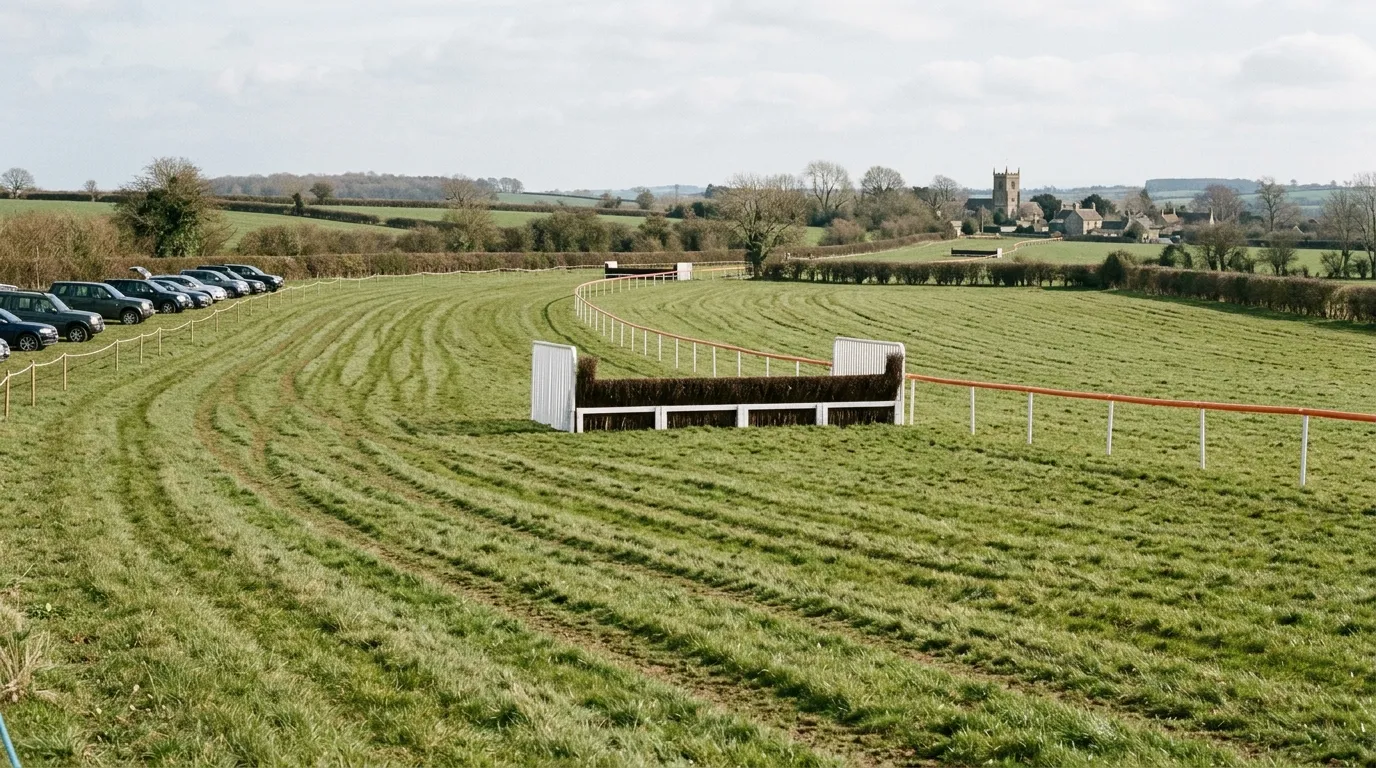
Point-to-point is the amateur, grassroots end of jump racing, run mostly by hunts on farmland over the winter and spring. Its followers are frequently riders themselves, and often know the horse and the family that owns it personally, which makes a named print land in a way it would not for a Flat spectator.
Most racing fans do not own a horse
Worth stating, because it changes the answer. The overwhelming majority of people who love racing follow it rather than participate in it: they have a favourite horse, a course they go to, a meeting they never miss, and no animal of their own to photograph.
For them the personalised routes mostly do not apply, and the better recommendation is a print of something they already love, not something we make specific to them. If the horse is famous enough that they would recognise it on a wall, a straight photographic print of it is a better gift than anything with their own name on it.
Racing gifts for him, for dad, for grandad
For a man in the family, whether he is a dad, a grandad or the friend who never misses a meeting, the gift still depends on whether there is a horse, a set of colours or a name to build it on. If he owns or shares a horse, use a photograph of it. If he follows racing without owning anything, use the name of a horse he followed, on a name print or a horse mug.
What we do not sell
Worth saying, because most of the results for this search are something else entirely. We print pictures. We do not sell race-day experiences, tickets, hospitality, hip flasks, binoculars or racing silks themselves. If a day out is what you want, the racecourse groups sell gift cards and they are a better buy than anything we make.
Timing, if it is for Christmas
Anything made to order needs to be ordered before the rush; the horse Christmas gifts page covers the timing. After Christmas, the sport’s own calendar takes over: the jumps season builds through the winter to the Festival in March and the National in April.