Guides.
Long-form notes on keeping and knowing horses, sourced from the governing bodies, not from received wisdom.
Long-form guides on keeping and knowing horses, written from the governing bodies’ own documents, not from received wisdom. Where the published advice contradicts itself we say so instead of picking whichever number reads best. If the sources disagree, you’ll see that they disagree.
They sit alongside the short answers, which handle single questions in a couple of hundred words, and the breed pages, which cover a particular horse. Start wherever you are.
Which guide to start with
If you keep a horse, start with care. The rug guide takes the British Horse Society’s 5°C rule of thumb and its fill-weight bands and turns them into a decision you can make on a cold evening at the yard, clip by clip. The horse-age guide is for anyone who has been told a horse’s age and wants to check it, and for owners of an older horse wondering what its years mean in human terms.
If you follow racing, the point-to-point and National Hunt guides explain how the jumps season fits together, from the hunt meetings run over farmland to the professional fixtures under the Rules of Racing, and the retraining guide follows a racehorse after its last run.
Each guide names its sources in the text and links to them, so you can read the original advice for yourself. Where a figure has changed, or two official bodies give different numbers, the guide shows both and says which one it uses. Every guide is free to read in full, and none of them asks for an email address first.
Care and keeping
The horse rug guide: when to rug, what the fill weights mean, and why the published charts disagree with each other by a whole category.
Horse years in human years: the popular converters apply a flat multiple of three, which breaks down by age five, and the harder half of the question is whether the age you were given is real.
Racing
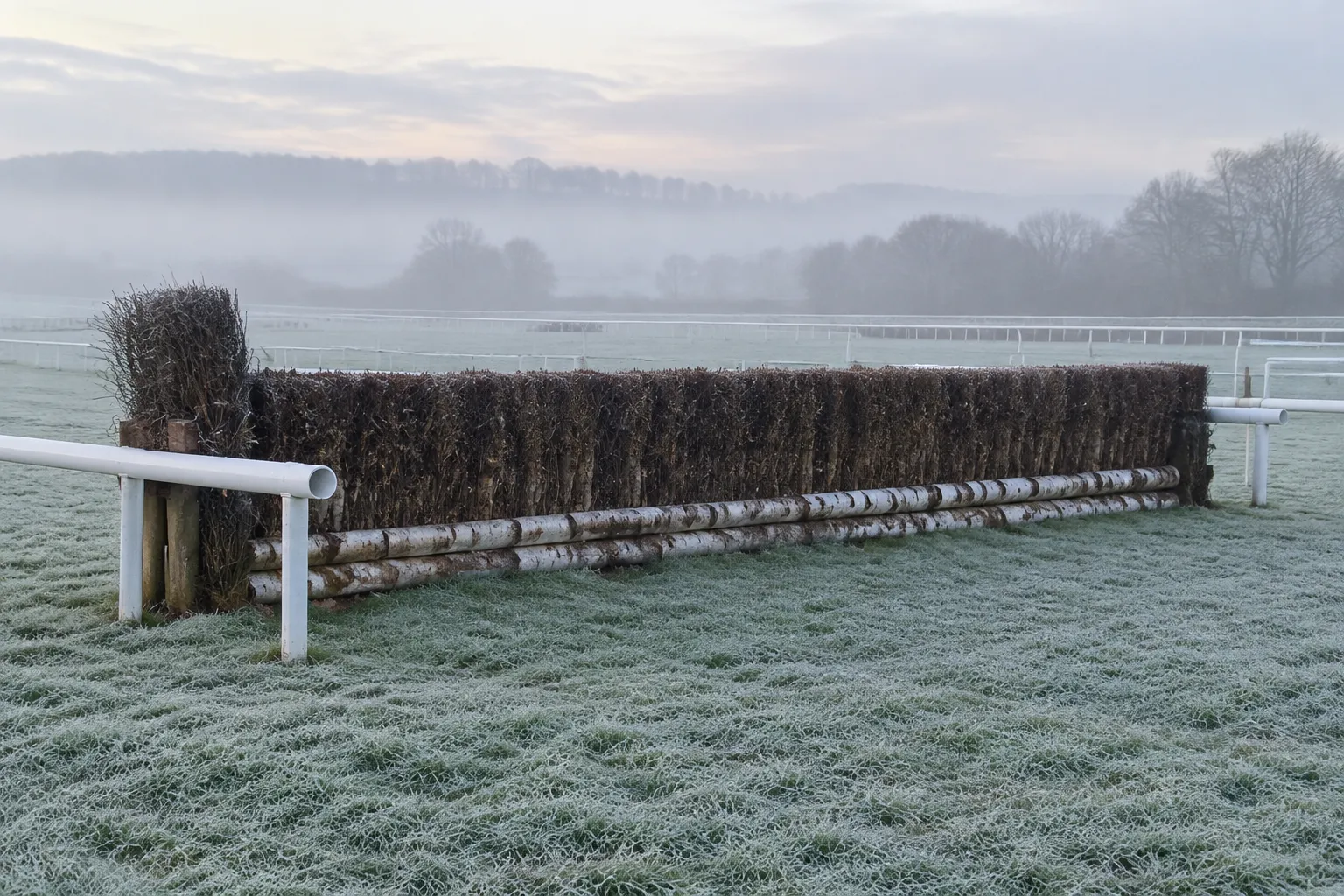
Point-to-point and the jumps season: the only British racing tied to hunting, what a Hunter Certificate is, and how it feeds National Hunt.
National Hunt racing: what the horses jump. The hurdle height everyone quotes is the panel, not the obstacle, and the BHA’s own specification puts the top bar five inches lower.
After racing: what the first Thoroughbred Census found: 33,600 former racehorses, and most of them are not competing.
Showing
Showing ponies with the BSPS: a guest guide from the British Show Pony Society on its championship shows, the qualifiers for HOYS, RIHS and LIHS, and its 20 local Areas.
Also worth reading
Two of the most-asked questions are long enough to be guides in their own right: what a horse really costs to keep, where the published figures range from £5,350 (BHS) to £14,820 (MoneySuperMarket) a year for reasons nobody explains, and what makes a Thoroughbred, which turns out to be a matter of a rulebook, not a look.
More guides are being added as each subject earns a page of its own. Who writes them, and the standard they are held to, is on the about page.