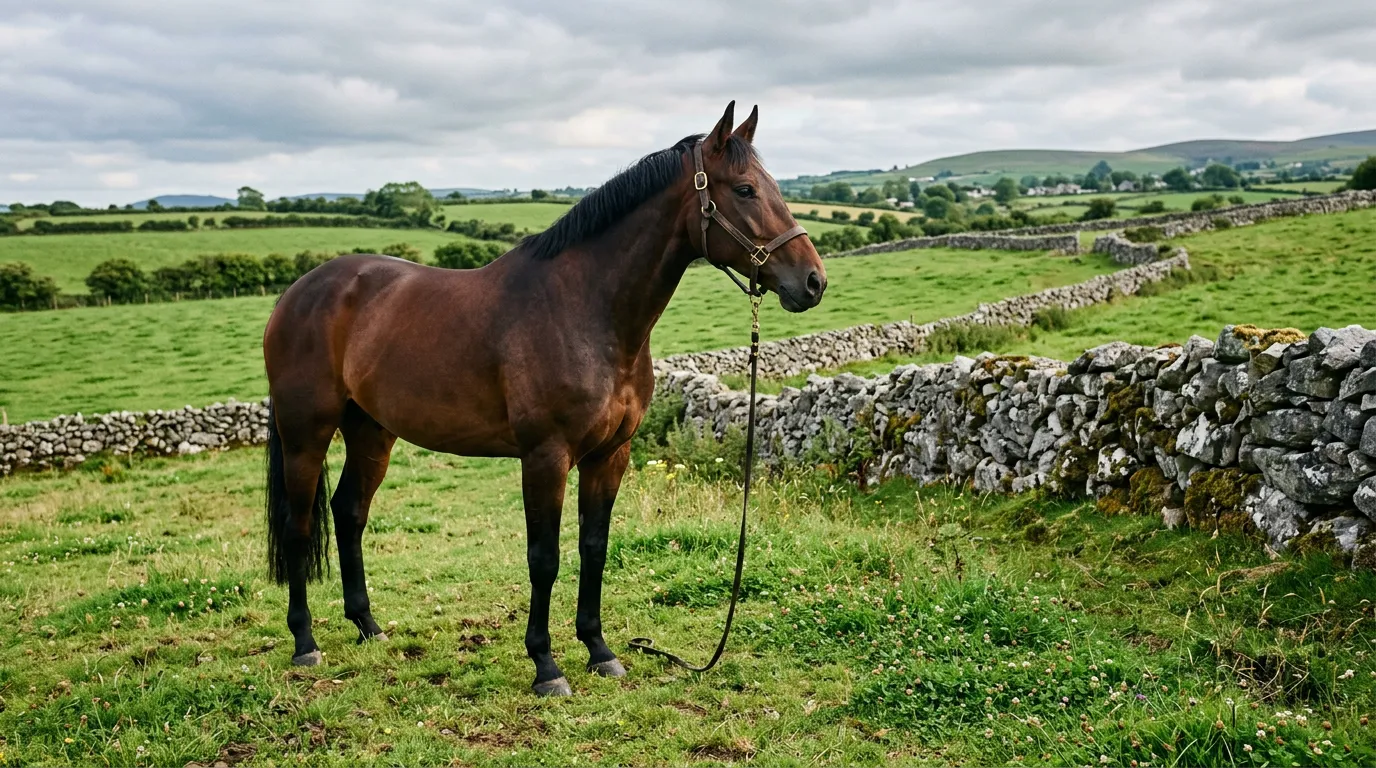
Thoroughbred horse
A Thoroughbred is a horse recorded in the General Stud Book, bred for racing and prized for speed. Most go on to a second career after the track.
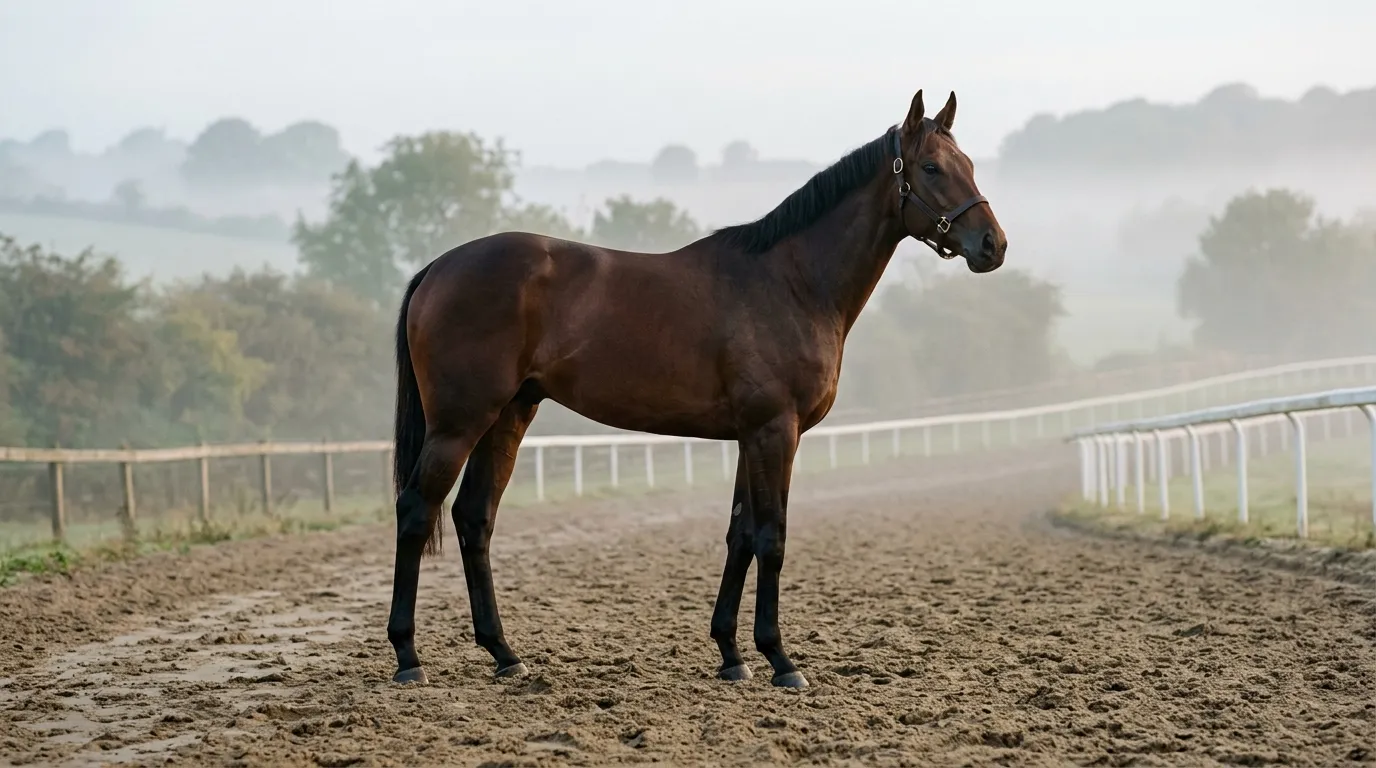
A Thoroughbred is defined by a book, not by a look. Weatherbys published the first volume of the General Stud Book in 1791 and still keeps it: a horse is a Thoroughbred because it is in the book, and it is in the book because both its parents were. The rules are narrow. Weatherbys' conditions of entry bar any foal produced by artificial insemination, embryo transfer or cloning, so every one is the result of a stallion covering a mare. Breed histories trace the male line to three stallions brought to England between the 1680s and the 1730s, the Byerley Turk and the Darley and Godolphin Arabians, and centuries of breeding for speed and stamina followed.
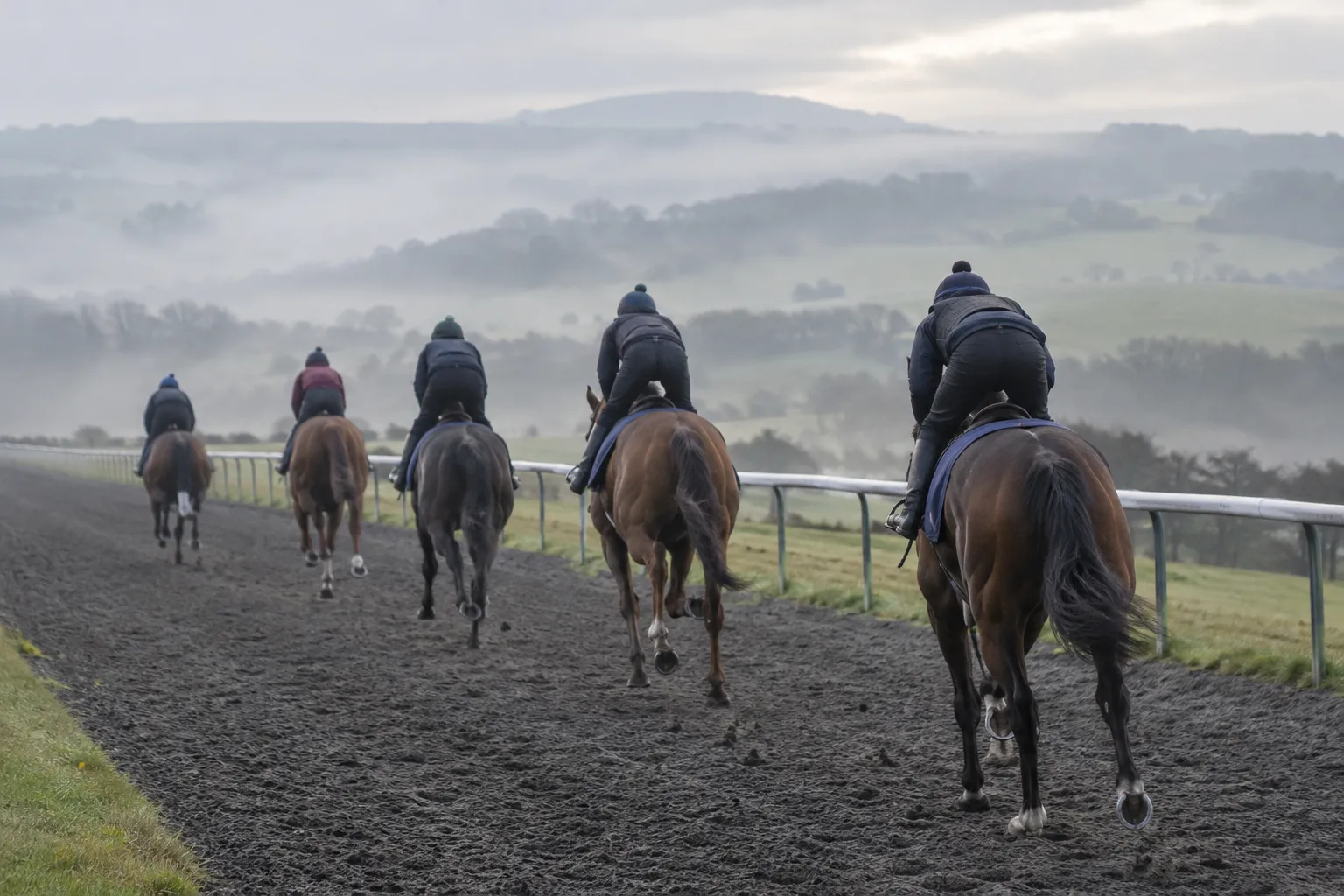
The Thoroughbred is the racehorse breed: refined head, long sloping shoulder, deep girth, and the athletic carriage that produces a generation of eventers, hunters, and showjumpers after the racecourse. Its pedigree is recorded in the General Stud Book, published by Weatherbys since 1791. It is Britain and Ireland's official registry for the breed.
| At a glance | Thoroughbred |
|---|---|
| Height | 15.2hh to 17hh, about 16hh on average |
| Colours | Bay, brown, chestnut, grey and black; bay is the commonest |
| Known for | Racing, then eventing, showjumping, hunting and hacking |
| Origin | England, 17th and 18th centuries, from three foundation sires |
| Stud book | The General Stud Book, kept by Weatherbys |
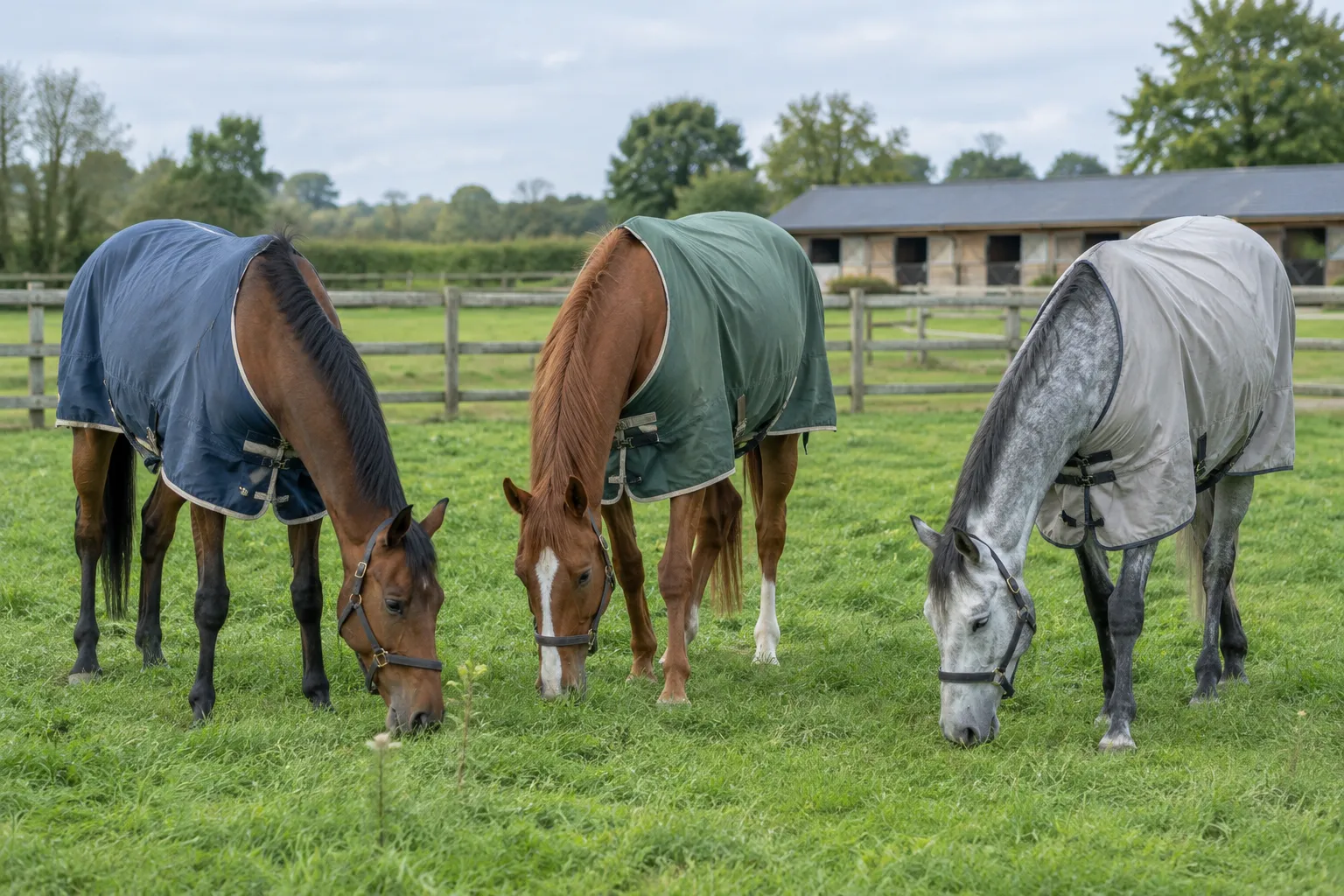
Many British Thoroughbred owners are in the post-racing chapter: Retraining of Racehorses (RoR) members, eventers, hunter producers. The pedigree usually still matters (sire and dam, sometimes the dam-sire) and an A3 print with the horse's name and breed details often hangs alongside the racing photograph instead of replacing it. Bay is the volume coat colour; chestnuts and greys make up most of the rest.
Further reading · Weatherbys (British TB stud book) · British Horse Society
Most TB owners can quote sire and dam from memory. A name print that pairs the horse's name with the breed line fits next to the framed racing photograph already on the wall.
Getting a Thoroughbred gift right
An owner who can recite sire and dam wants that on the piece, so a name print setting the horse's name against its breeding is the one that lands. It hangs beside the framed racing photograph, not instead of it. Where the horse has a post-racing life worth showing, the portrait canvas does that. Prices are on the personalised gifts page. For other ideas, horse gifts are sorted by occasion and price, our horse prints are ready-made art, and memorial gifts remember an ex-racer that has died.
Buying off the track: what RoR membership tells you
Many privately owned British Thoroughbreds came off the track. Retraining of Racehorses (RoR) is the official charity for British horses after racing, membership entitles owners to enter RoR-affiliated classes (showing, dressage, eventing, polo, even fence judging), and the RoR Goldcert certificate is the documentation showing the horse has been retrained to a baseline standard. A surprising number of competitive eventers and showjumpers under 1.10m are RoR-registered former racehorses.
A name print often gets ordered to mark the formal renaming: racing names are constrained by Weatherbys (no more than 18 characters, spaces included, and no protected names), so most off-the-track horses get a barn name change. A print with the new barn name, and the racing name alongside it, reads as a true record of the horse's two careers.
Naming conventions, why TB owners care about typography
- Racing names are bizarre on purpose: Weatherbys permanently protects the names of major race winners and famous retired horses, and restricts reuse of other registered names for a period after retirement. Owners stack words to clear the duplicate check.
- Barn names are private: The horse you ride at home is "Wills" or "Jeff", the racing name is on the passport. Personalisation that uses the barn name, with the registered name alongside it, reads as informed.
- Sire and dam still matter: Most owners can quote both from memory. A sire-and-dam line ("by Galileo out of Demeter") works as a print line beneath the horse's name without crossing into pretentious.
- The triple crown of pedigree: Some owners want the foal year and sire-line on the print. Whether to include depends on how the gift will be used, a stable-yard memorial print usually skips the pedigree; a tack-room portrait often includes it.
Which format suits a Thoroughbred
The A3 print is the natural pick, with the framed portrait canvas as the spend-up. The reason is simple: TB owners often have a specific photograph already (the racing finish, the eventing dressage test, the field shot at retirement) and want a print that complements it and does not compete with it. The mug works best as a second item alongside the print, not on its own.
A name print can carry the barn name, the year they came off the track, and the yard. A line like "Willow · by Galileo · off the track 2024" works because each element is true and meaningful to the owner. Generic phrases such as "forever in our hearts" miss what this owner cares about. A landmark birthday (40th, 50th) is a natural occasion, from a partner who knows the racing name, the barn name, and exactly what to put on the print. Mother's Day works too: a name print can hang in the kitchen alongside the racing photograph.
Common health and management considerations
Off-the-track Thoroughbreds often arrive with the conformation of a racing fitness regime: high topline, lean girth, sometimes ulcers from training stress, sometimes minor wear-and-tear from racing. Most need 6–12 months of paddock turnout, low-starch feed, and gradual reintroduction to ridden work before they fit the eventer/showing/hunting profile. The breed isn't difficult to keep, but the first year after racing is when most retraining decisions get made.
Reading the conformation off the track
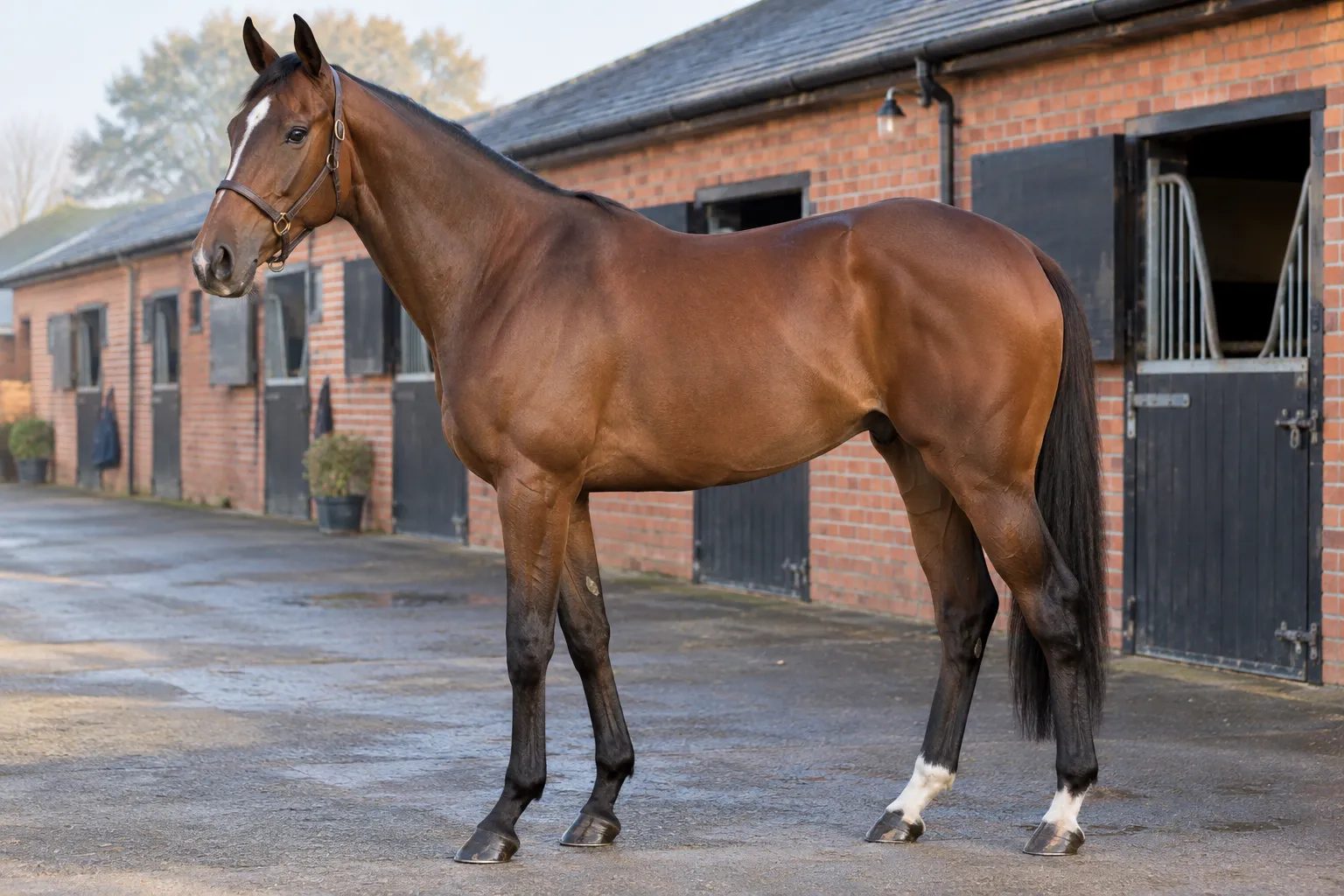
A Thoroughbred that has come straight out of training doesn't look like the horse it becomes. The racing physique is built for one job: a high, hard topline, a flat lean girth, big lungs, and muscle laid down for the gallop, not the carry. Give the same horse a winter in the field on low-starch feed and the frame fills out: the back drops and rounds, the gut settles, the neck softens. Owners learn to read this trajectory, because the horse they ride at home in year two is a different shape from the one that stepped off the lorry.
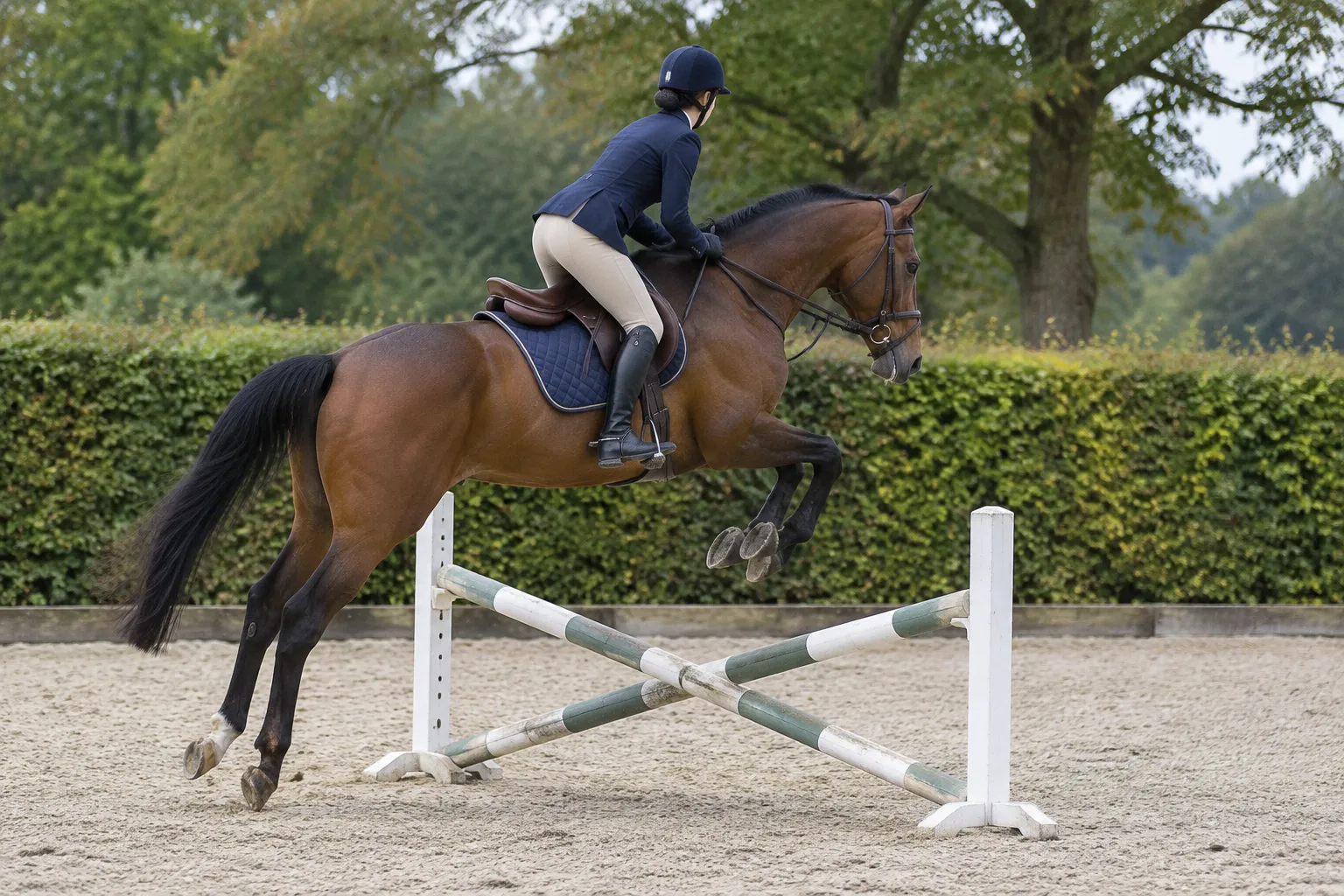
The breed throws a particular look. A fine head, a long sloping shoulder that gives the reaching stride, a deep heart-room girth, and clean dense bone that's lighter than an Irish-bred sport horse's but tougher than it appears. Off-the-track quirks are common and not faults: a sensitive skin that rugs up easily, thin soles that want careful farriery, the odd wind-scar or splint from racing. None of it stops the horse going on to a long second career, which is exactly the chapter most British TB owners are gifting around.
Getting the personalisation right for a TB owner
- Respect the two names. The passport carries the racing name; the field carries the barn name. A print that sets the barn name large and the racing name small underneath reads as someone who understands the horse, not the form book.
- Don't sentimentalise the racing past. Owners are proud of it but unromantic about it: "raced 14 times, won at Sandown" beats anything misty. State it like a fact, because to them it is one.
- The acquisition or retirement year anchors the gift. For an off-the-track horse, the date that matters is the day it became theirs, not its foal year. Ask which one they want.
- Keep the medium calm. A portrait canvas often hangs beside an existing racing photograph, so a clean, restrained piece complements the wall and does not fight the framed finish-line shot already there.
- Sire-lines are fair game at the top end. A competitive eventer's owner may want "by Galileo" on the name print; a happy-hacker's owner won't care. Match the detail to how seriously the horse competes.
An ex-racer's second career is the story worth dating: the racing gifts cover the track half, and the owner's range covers the field half.