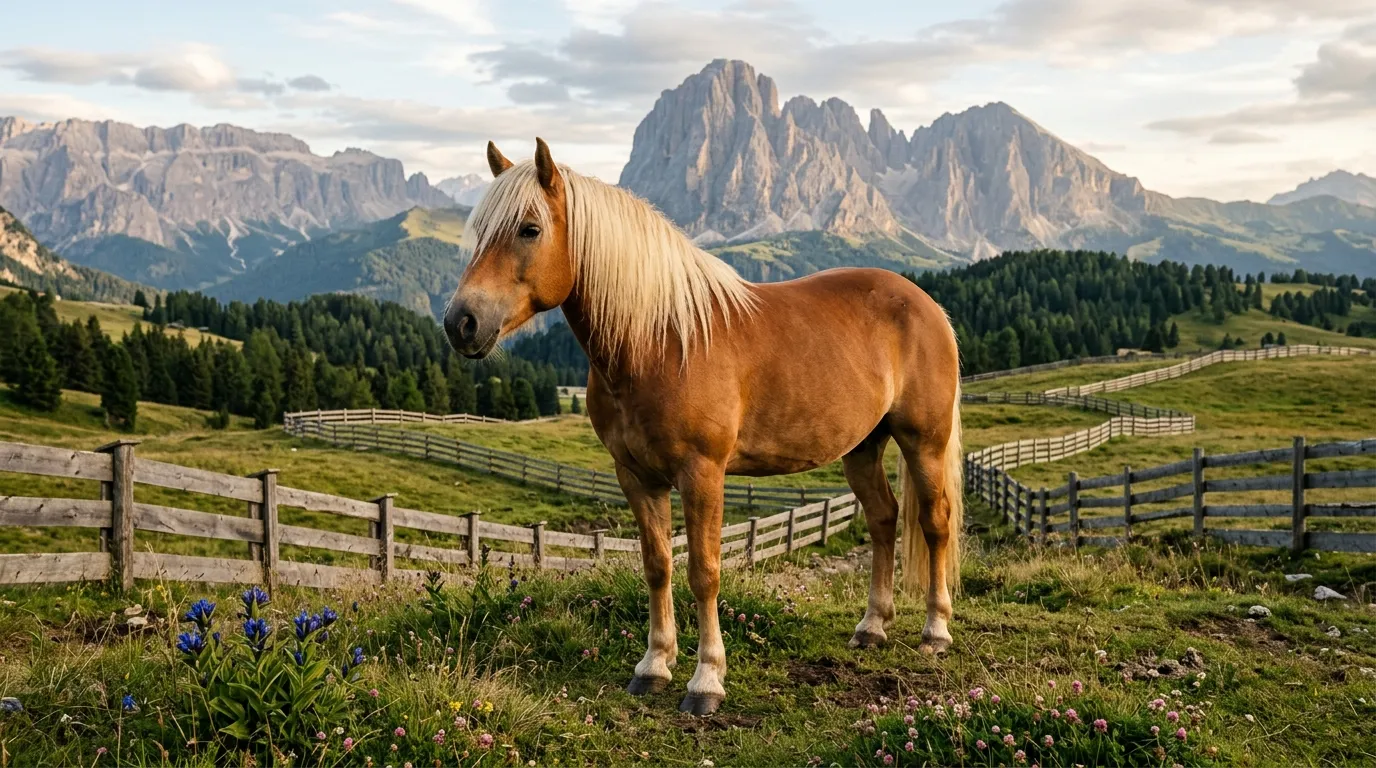
Shire horse
The Shire is the British heavy horse: stallions stand at least 17hh, it was bred for the plough and the brewer's dray, and the Rare Breeds Survival Trust lists it as At Risk.
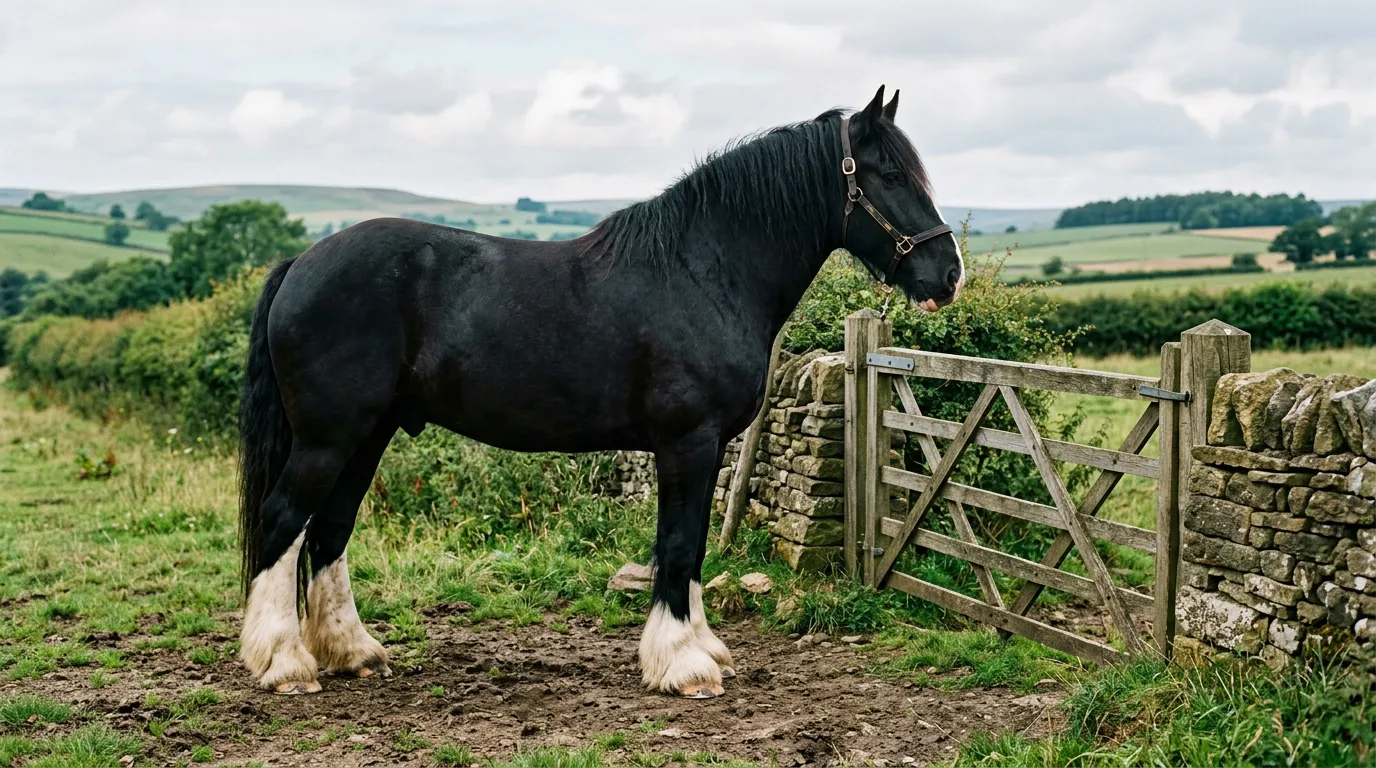
The Shire is the British heavy horse: among the largest equine breeds in the world (the Shire Horse Society's standard sets minimum mature heights of 17hh for stallions and 16.2hh for geldings), with massive feathered legs and a profoundly gentle disposition. Originally bred for ploughing and brewery dray work, today most Shires live as showing, driving, and ride-and-drive horses, often kept by people who love the breed's history.
| At a glance | Shire horse |
|---|---|
| Height | Minimum 17hh (173cm) for stallions, 16.2hh for geldings, 16hh for mares |
| Colours | Black, bay, brown and grey; roan for mares and geldings only |
| Known for | Showing, ploughing matches, brewery drays, forestry, riding |
| Origin | England, the Midlands and the Fens |
| Breed society | Shire Horse Society; At Risk on the RBST Watchlist |
The Rare Breeds Survival Trust 2024/25 Watchlist lists the Shire as At Risk. Most British Shire keepers consider the conservation aspect part of why they keep the breed; the Shire Horse Society membership reflects this. The breed's scale fits a larger format, and a name like Goliath or Hercules reads as fitting, not ironic, in serif at proper size.
Further reading · Rare Breeds Survival Trust, Shire · British Horse Society
Shire owners are guardians of a rare breed. A heavy framed canvas portrait reads as serious recognition: this is a horse worth a portrait.
Scale, and what it needs
A Shire fills a large format in a way lighter breeds don't, so the bigger sizes of the portrait suit it better than the small ones. A name print still suits a working horse with a show record to record. The personalised gifts page lists every size we print.
A Shire horse painting, as a print
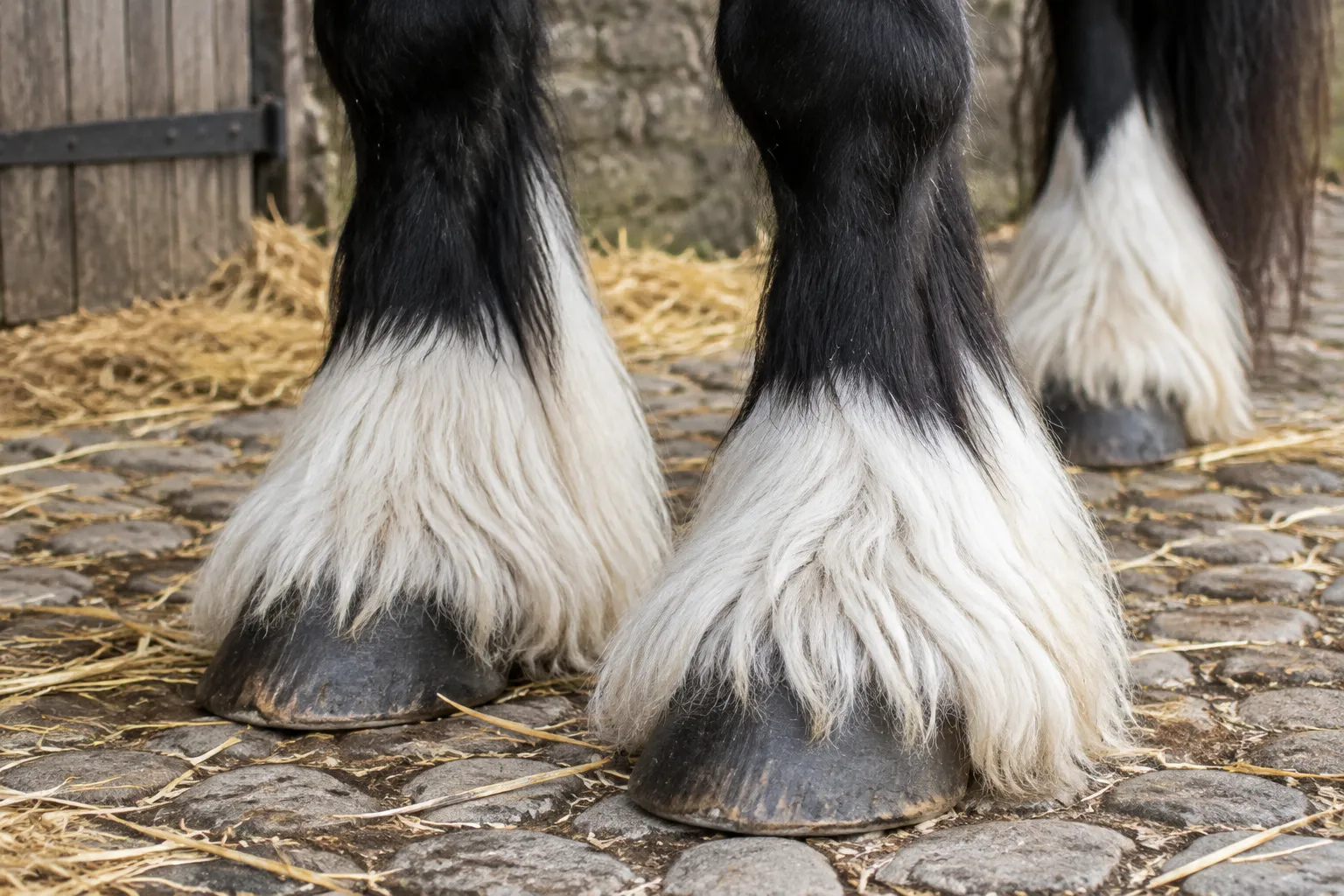
If the person you are buying for has no Shire of their own to photograph, or you would rather surprise them, The Shire Horse is one of our artworks: a black Shire standing square in a summer meadow, a broad white blaze, long white feather falling over the hooves, in the style of a classical oil painting. The whole horse is in the picture, legs and feather included. It is a print, not a hand-painted original, and it comes as a poster, a framed poster, a canvas or a framed canvas, on metal or wood, and on a mug or a water bottle.
Why the Rare Breeds Survival Trust lists the Shire as At Risk
The Shire was the workhorse of British agriculture and brewery delivery for over a century. Mechanisation collapsed working numbers; by the 1960s the Shire was at risk of disappearing as a breeding population. The Shire Horse Society stud-book stayed open and the Rare Breeds Survival Trust lists the breed as At Risk on its 2024/25 Watchlist, the band covering an estimated 900 to 1,500 registered breeding females: RBST's Watchlist places the Shire's estimated registered breeding females at 900-1,500 in the UK (its 'At Risk' band).
For many Shire keepers, the conservation aspect is part of why they keep the breed. Owning a Shire is closer to keeping a Suffolk Punch or a Cleveland Bay than to keeping a sport horse, the value is in genetic preservation and breed continuity, not competition. RBST membership and Shire Horse Society membership often go together. The Clydesdale, the Scottish heavy draught: is the most common comparison; both are feathered, both are rare, but Shire owners are typically emphatic about the distinction, particularly regarding leg feathering quality and breed society structure.
The Shire Horse Society Annual Show, the breed pinnacle
The Shire Horse Society's National Spring Show is where the breed's competitive year happens; from 2026 it runs as a one-day indoor show at Kelsall Hill Equestrian Centre in Cheshire, having previously been held at Stafford. In-hand classes by age and gender, ridden Shire classes, decorated turnout (the brewery-show tradition with brasses, bells, and ribbons), and the under-10 children's handler classes that introduce the next generation.
For owners who don't show, the breed gathering point is the Shire Horse Society regional events, county shows often have Shire in-hand classes, and the breed turns out for ploughing matches, agricultural-heritage events, and royal occasions. The breed has a presence at the Royal Windsor Horse Show and the Sandringham Flower Show.
What makes a Shire portrait work: the photo guidance
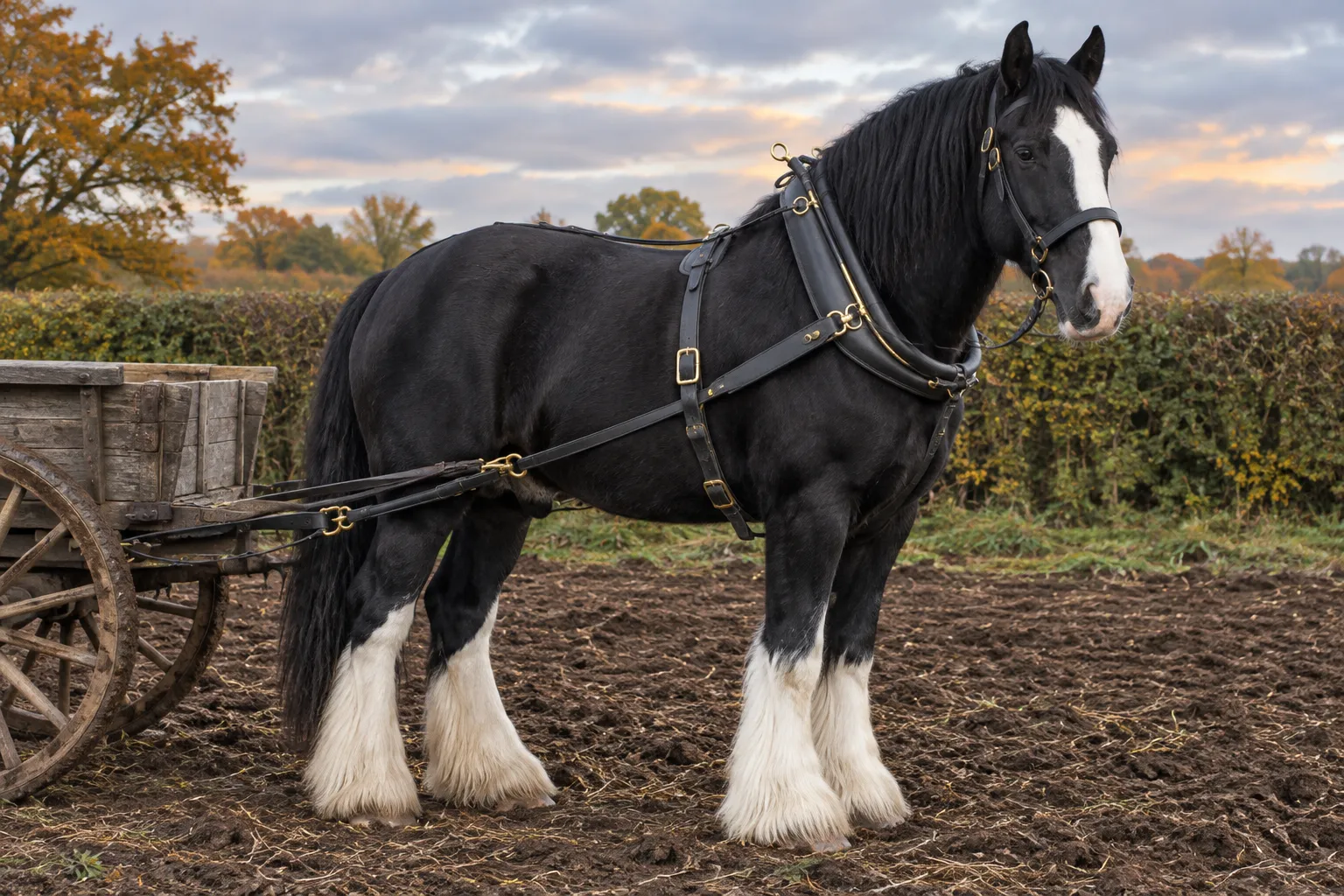
- Use a wider frame: A 17–19hh horse with massive feathered legs needs the legs in shot; a head-and-shoulders crops out half the breed character.
- Side-on or three-quarter: The Shire's silhouette (the deep shoulder, the massive haunch, the feathered fetlock) is the breed signature. A square-on portrait misses the line.
- Outdoor light, not stable lighting: Most Shire owners photograph in the field; black-coated Shires especially need outdoor light to show coat detail and feather pattern.
- Names that fit the scale: Goliath, Hercules, Atlas, Major, Samson, Brunhilde, Shire owners often choose names that match the breed's scale, and these read as fitting in serif at proper size, never ironic.
Which format suits a Shire
The 40×50cm framed canvas portrait is the format that fits the breed. A Shire gift is a considered, high-value one, not the mug-and-print mix that suits the pony breeds, and a heavy framed canvas is the register that matches.
A Shire gift often goes to a multi-generational keeper, and the recipient is often a parent or grandparent who has bred Shires for decades. Personalisation often includes the stud prefix and a date marking a foaling, a championship, or a retirement. Shire owners register a unique breeder prefix with the Shire Horse Society, which sometimes features on the print alongside the horse's name. A framed portrait canvas suits the scale and seriousness of keeping a rare breed.
A tonne of horse, and a rare one
The Shire is among the largest horses in the world, commonly 17 to 19hh, often around a tonne: with massive feathered legs and, famously, a gentleness that's wholly out of proportion to its scale. It built British agriculture and pulled the brewery drays, numbering close to a million in its 1920s peak before mechanisation collapsed the working population almost to nothing. The breed pulled back from the brink through dedicated keepers, but it remains rare: the Rare Breeds Survival Trust lists it as At Risk, the band covering an estimated 900 to 1,500 registered breeding females. Most Shires today show, drive, or do ride-and-drive work, kept by people who love the breed's history as much as the horse in front of them.
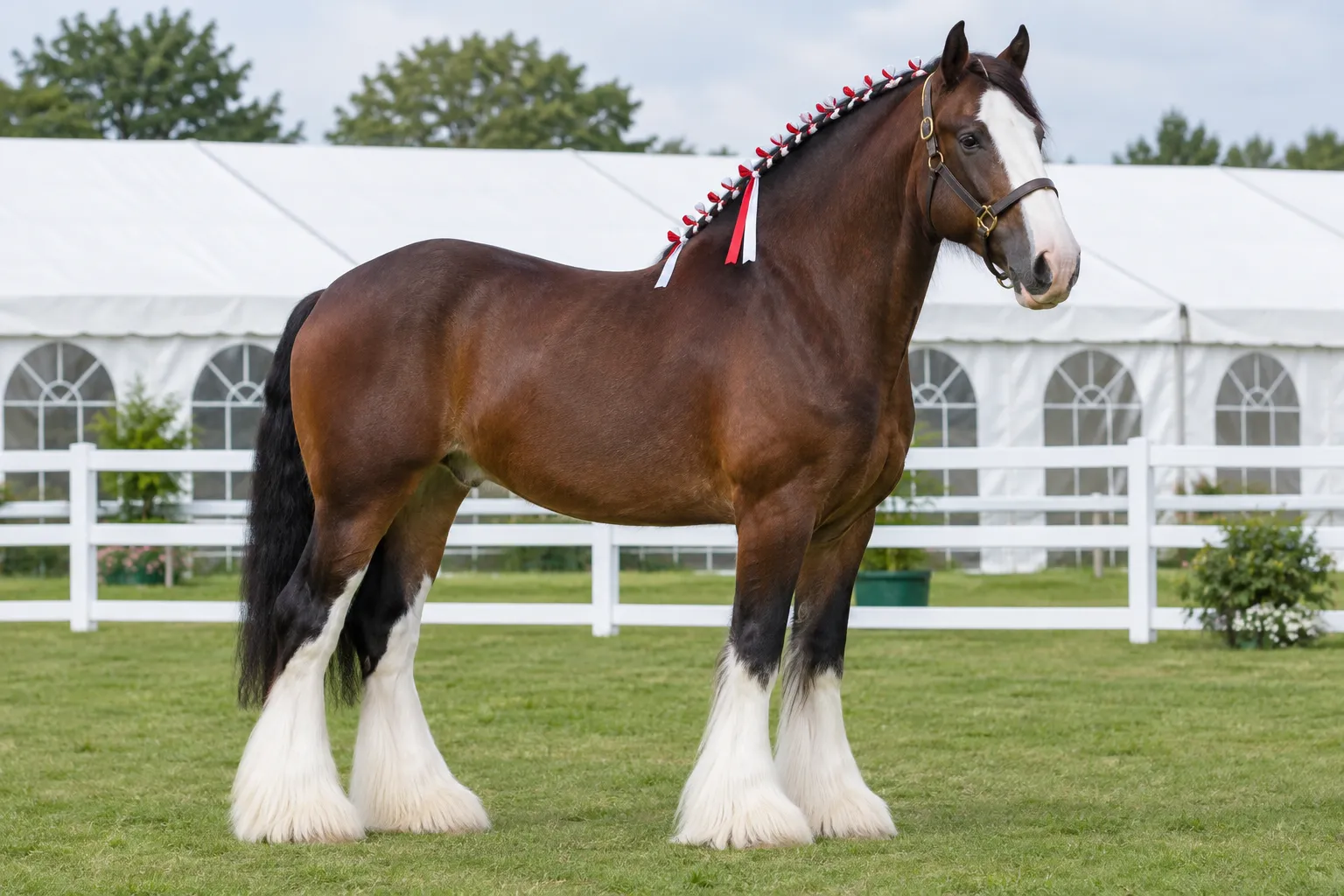
That history shapes the owner. A Shire keeper is usually a guardian of a rare draught breed, often a multi-generational one, and frequently emphatic about the distinction from the Scottish Clydesdale: different feather, different society, different type. The Shire Horse Society's spring show is the breed's pinnacle, with in-hand, ridden, and decorated-turnout classes carrying the old brewery-show tradition of brasses and ribbons. The whole world around the breed is heritage-minded, and gifts that miss that read as missing the point.
Personalising a Shire gift well
- Frame the scale. A 17–19hh horse with feathered legs needs the legs in shot: a head crop on a portrait canvas throws away half the breed character.
- Outdoor light for a dark coat. Most Shires are black or dark bay; field daylight, not stable lighting, brings out coat detail and feather.
- Names can match the bulk. Goliath, Hercules, Samson, Atlas, set in serif at proper size these read as fitting, not ironic, on a name print.
- The conservation story matters. The stud prefix, a foaling or championship date, and the breed's rarity status resonate with keepers who often breed across generations.
- Reach for the larger, heavier piece. A big framed canvas matches both the horse's scale and the considered, serious register of keeping a rare draught breed.
The scale argues for the biggest piece on the shelf, which is why the large-format end suits a Shire portrait. Households new to draught breeds usually start from the owner's guide.