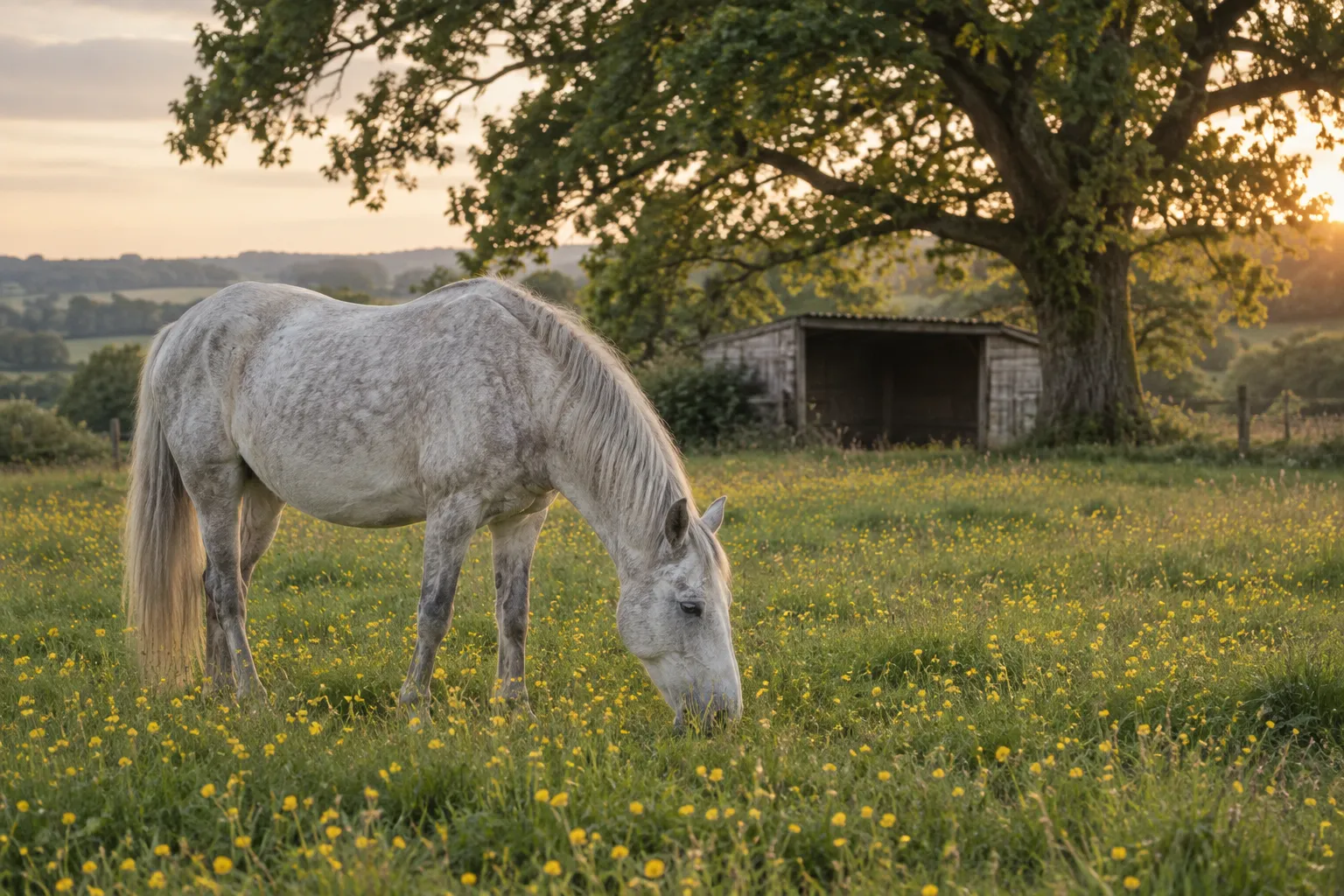
How long do horses live?
Many horses and ponies now live into their 30s, the British Horse Society says, and a 2011 welfare review agrees, though no body publishes an official average.
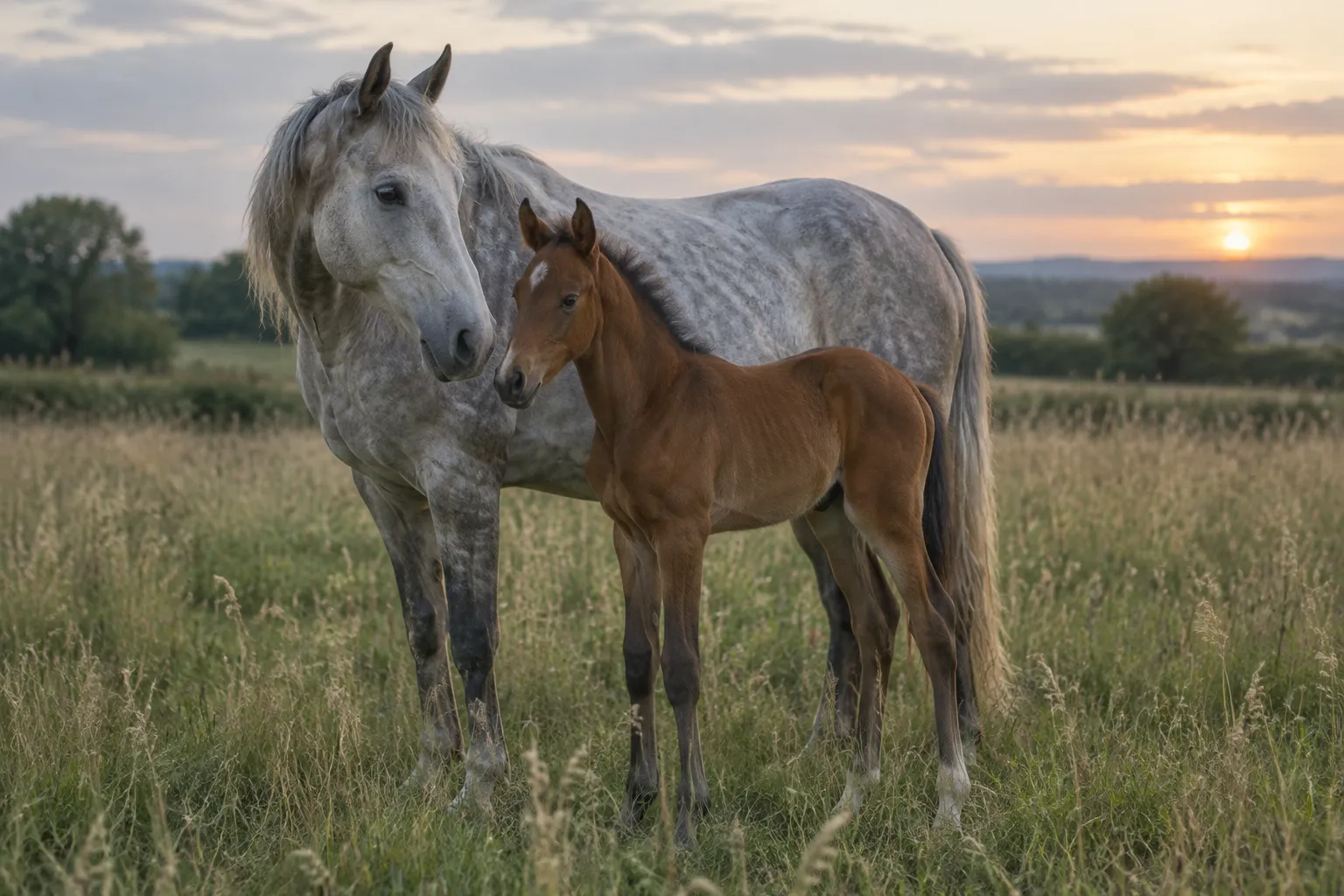
The British Horse Society says that “horses and ponies today live longer than ever, with many living into their 30s”, and that ageing usually begins to show from the mid to late teens. As with any animal, breed, workload, and (most of all) the quality of care through their life all play a part.
Good nutrition, regular farriery, dental checks, and prompt veterinary attention all add years. A horse in its twenties may still be ridden lightly instead of being fully retired. It's part of why the bond between owner and horse runs so deep, and why a horse memorial gift matters so much when that long partnership ends. For the practical side of ownership, see how much a horse costs. Putting a number on that lifespan in human terms is its own tangle: the published conversions disagree, as horse years in human years sets out.
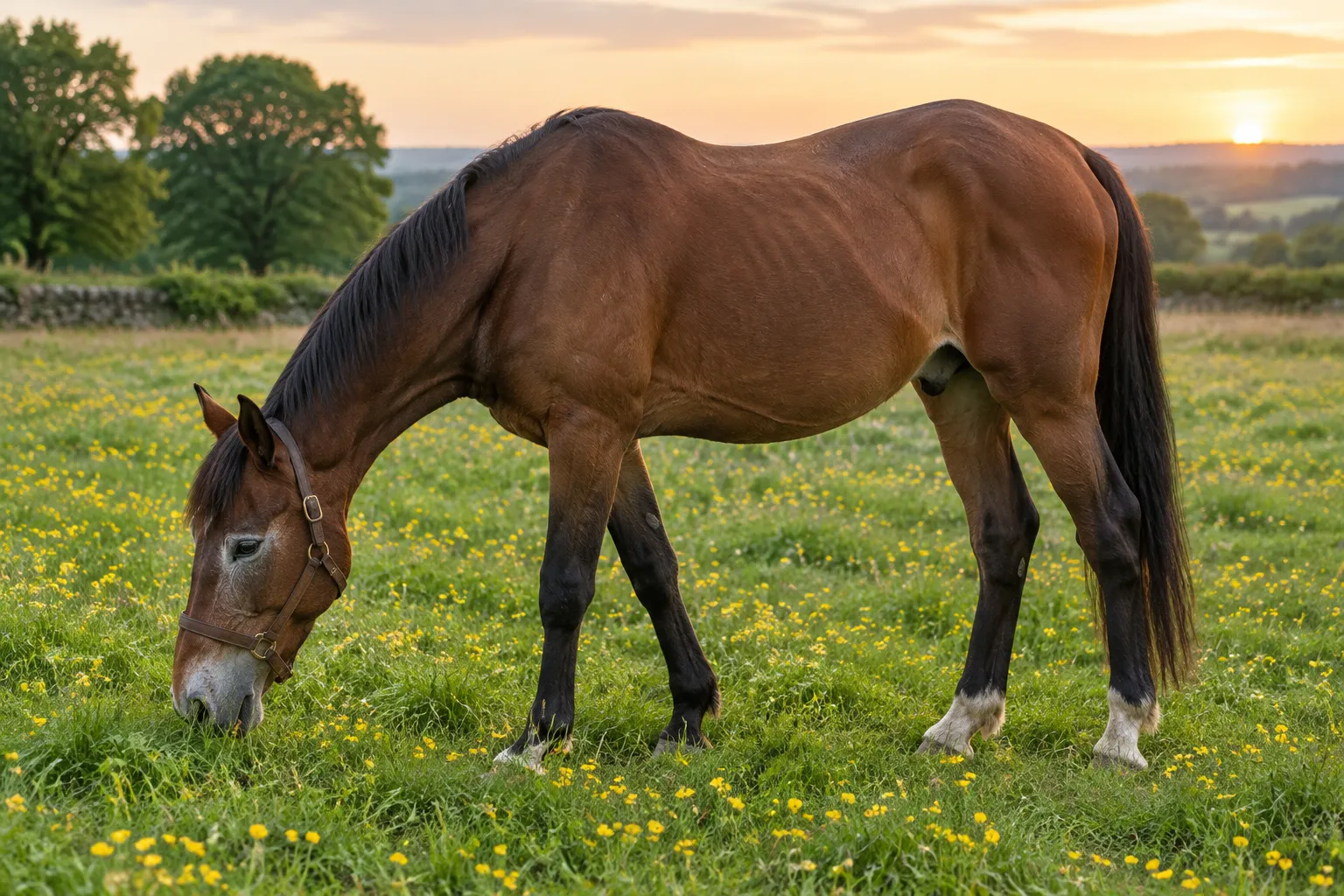
No veterinary body publishes an official average, which is part of why quoted figures drift. The clearest published framing is Catherine McGowan's review Welfare of Aged Horses, in Animals in 2011, which treats a horse as aged or geriatric at 15 years or over and as very old at 30 or more, and records that horses "often live to be in their 30s with some reported to live into their 40s or even longer". Owners draw the line earlier than the vets: the same review cites survey work in which owners considered a horse old at an average age of 22.
The stages of a horse’s life
| Age | Stage |
|---|---|
| Under 1 | Foal |
| 1 to 3 | Yearling and youngster: growing, handled, backed at three or four |
| 4 to 14 | Working life for most riding horses |
| 15 and over | Aged, in the 2011 welfare review’s terms |
| 30 and over | Very old |
How long do ponies live?
Ponies are widely reported to live longer than big horses, and native ponies in their thirties are a familiar sight on British yards, but we have not found a published study that gives a separate figure. The BHS groups them together: horses and ponies alike often live into their 30s.
The oldest horse on record
The horse usually named as the oldest on record is Old Billy, a barge horse from Lancashire said to have lived to 62 and to have died in 1822. The age rests on the records of his day, not on anything a vet could check now, so treat it as a famous claim.
Looking after an older horse
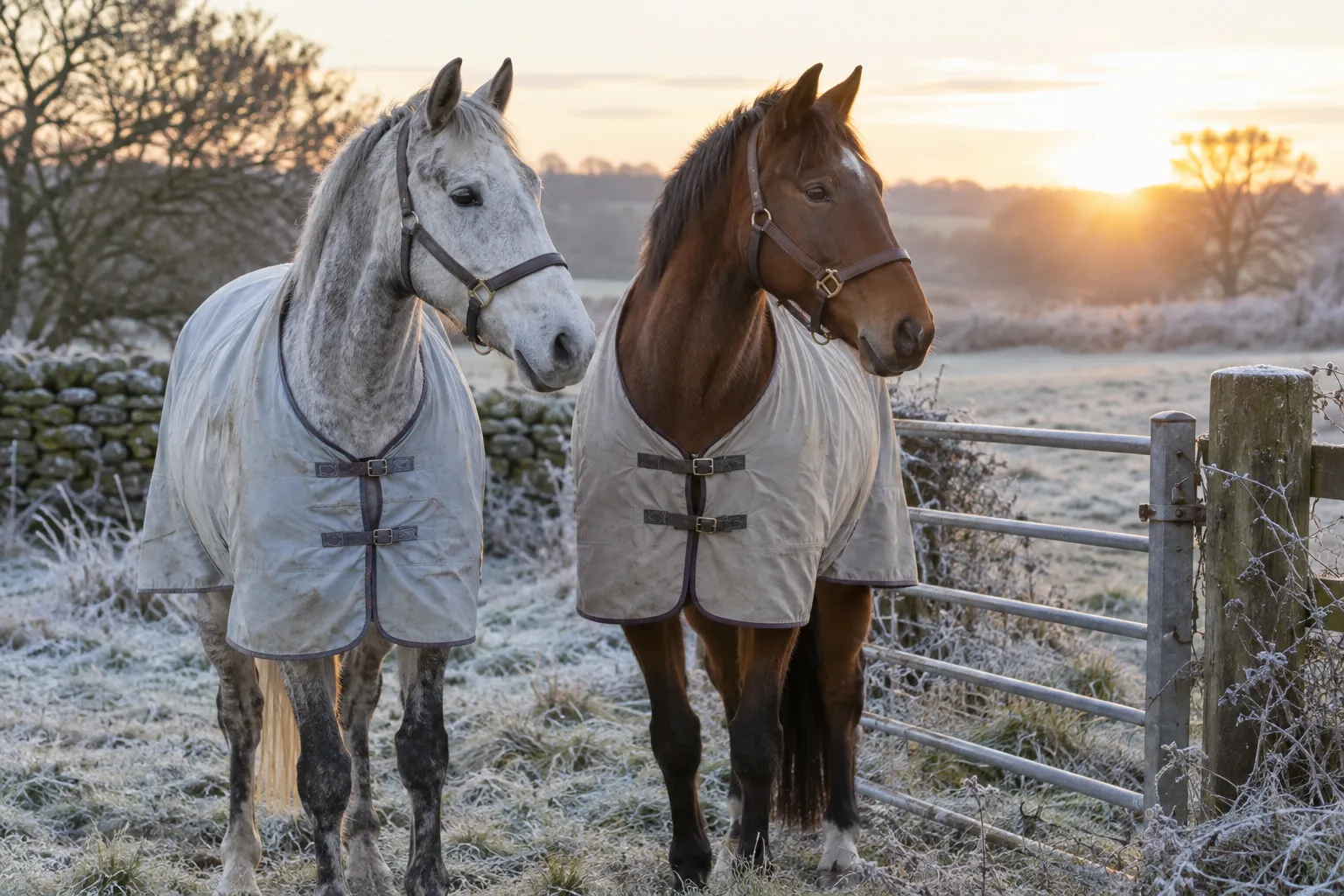
Teeth wear down with age, so an older horse may need its hay soaked or swapped for a short-chop fibre feed, and a dental check every six to twelve months. Weight, feet and a steady routine matter more each year, and the age to retire a horse depends on soundness more than the calendar.