What do you do with a horse passport when the horse dies?
The passport must be returned to the organisation that issued it within 30 days of the horse's death.

The passport must be returned to the organisation that issued it within 30 days of the horse’s death. GOV.UK puts it plainly: “Within 30 days of the horse’s death, return its passport to the PIO that issued it.” A PIO is a Passport Issuing Organisation, the body whose name is printed inside the front of the document.
They will then, in GOV.UK’s words, “update their records and invalidate or destroy the passport”. Some organisations will return an invalidated passport to you if you ask, which matters to owners who want to keep it; that’s worth requesting when you send it, not afterwards.
What to do, step by step
- Find the passport and check which organisation issued it: the name is inside the front cover.
- Photograph or copy the pages you want to keep, such as the silhouette and the vaccination record, before you post it.
- Send it to that organisation within 30 days of the death, with a note asking for it back if you would like the invalidated passport returned.
- The organisation updates its records and the national Central Equine Database, so the horse’s microchip is closed.
| When | What |
|---|---|
| On the day | Arrange collection, burial or cremation; the passport can wait |
| Within 30 days | Return the passport to the organisation that issued it |
| When you send it | Ask for the invalidated passport back if you want to keep it |
If the passport is lost
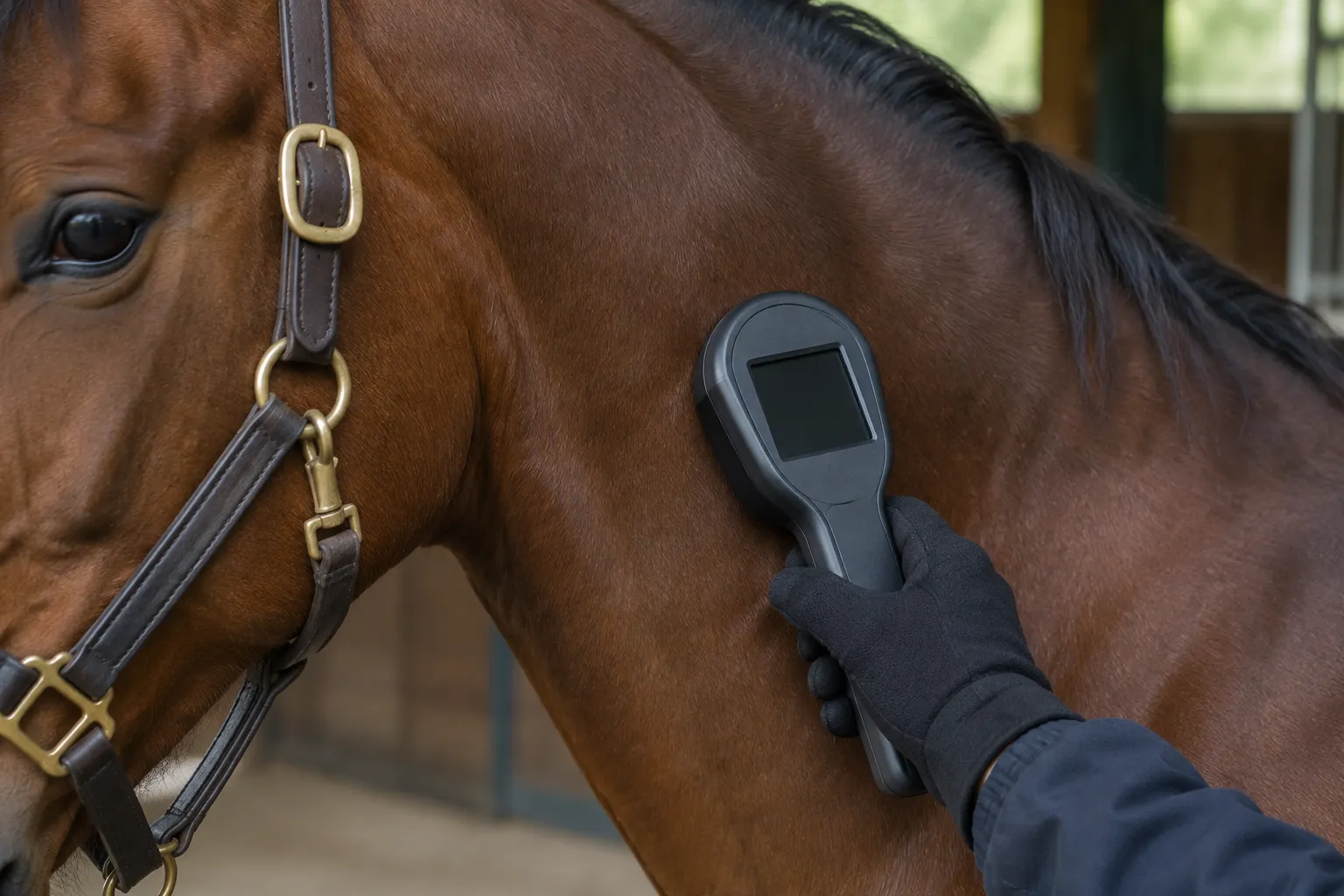
Contact the issuing organisation anyway; it holds the record, and it can close it on the strength of the microchip number. If you do not know which organisation issued it, your vet can usually read the microchip and find out.
It’s an easy thing to miss in the week after a loss, which is the only reason this page exists. The disposal side is covered separately in what happens to a horse after death, and a horse left without its field companion raises a welfare question of its own: whether a horse kept alone gets lonely.
Insurance, the yard and the loan owner
The passport is the deadline people miss, but it isn't the only call to make. If the horse was insured, tell the insurer as soon as you can: most policies want the vet's report and the passport details before they pay out, and some ask to be told before a horse is put to sleep unless it's an emergency. Let your livery yard know, and cancel anything paid in advance, such as farrier visits or feed deliveries. If the horse was on loan, its owner needs to hear first.
Keep a copy of the vet's notes and the receipt for collection or cremation with your photographs of the passport. Together they're the whole record of the horse's last weeks.
When the admin is done and you want something of the horse kept, not filed, we make memorial prints and keepsakes to order.