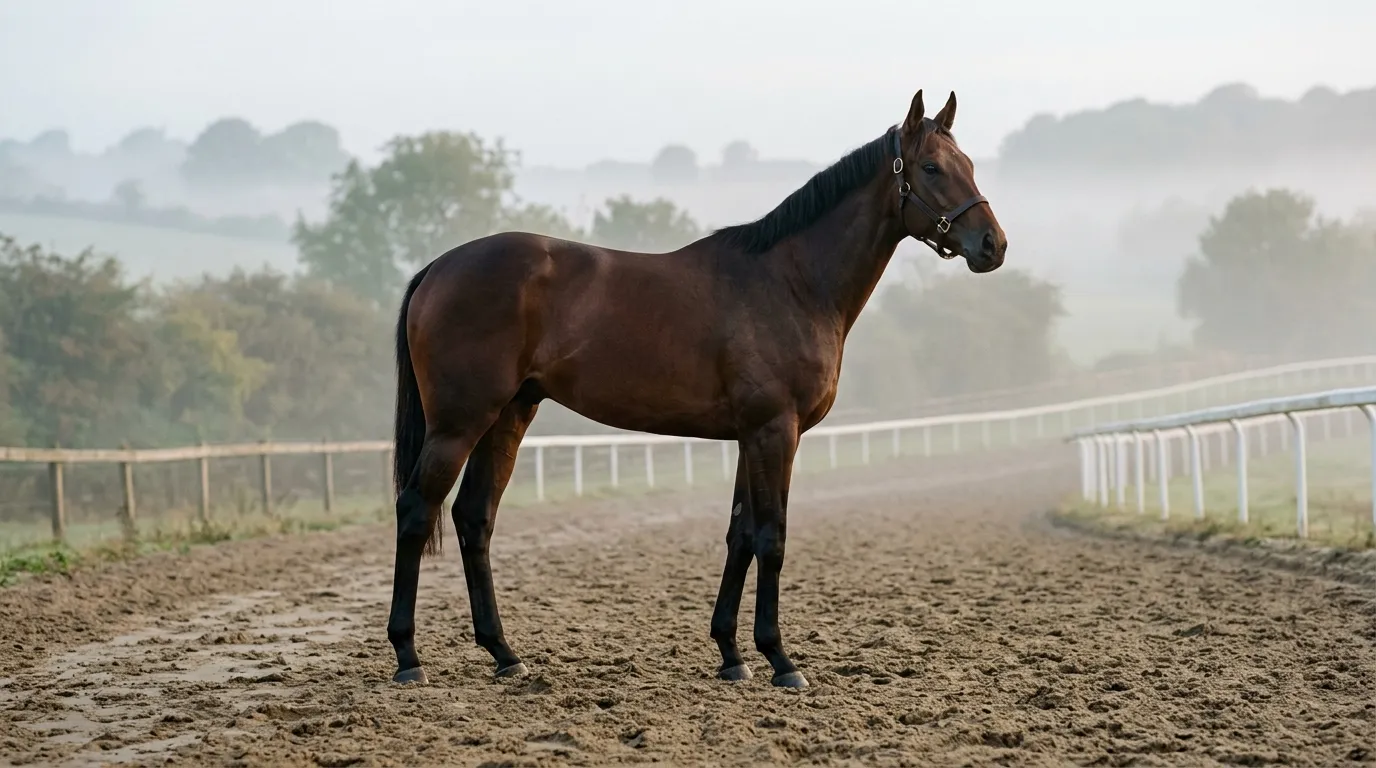
How much does a horse weigh?
Around 180 to 200kg for a Shetland, 450 to 500kg for a Thoroughbred, and over a tonne for a big Shire. Your own horse is easy to estimate at home.
Short answer: weight depends on type far more than on height. Countryfile's rule of thumb puts a Shetland pony at around 180 to 200kg, a Fell pony at 350 to 450kg and a Thoroughbred at 450 to 500kg, while a Shire can top a tonne. Your own horse's figure can be estimated at home with a weigh tape, or with a tape measure and a short sum.
| Type | Typical height | Typical weight |
|---|---|---|
| Shetland pony | Up to 42 inches (107cm) | 180 to 200kg |
| Fell pony | Up to 14hh | 350 to 450kg |
| Thoroughbred | 15.2hh to 17hh | 450 to 500kg |
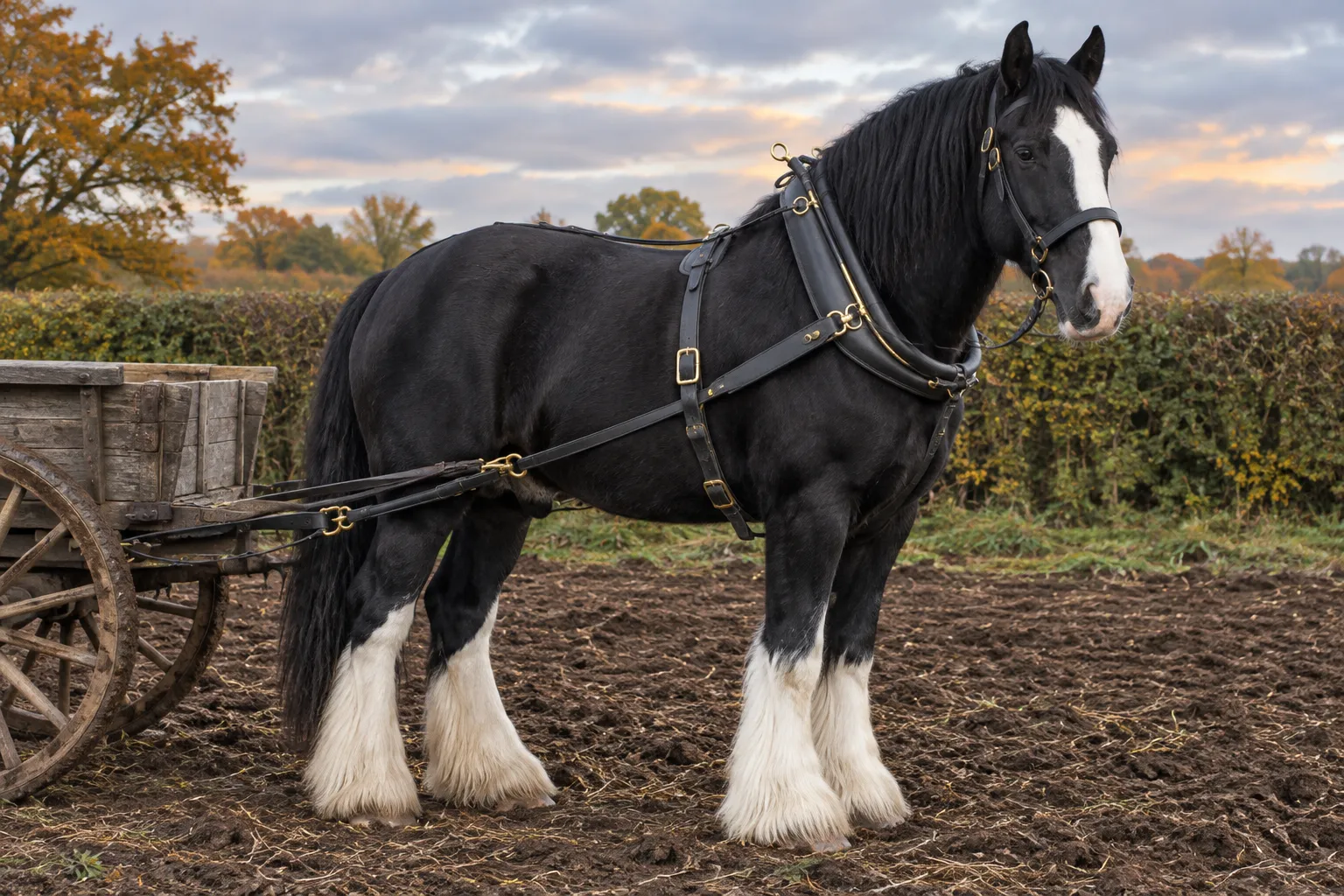
| Shire | 17hh and over for stallions | Over a tonne |
Weights from Countryfile; heights from the breed guides on this site. Two horses of the same height can differ by a hundred kilos or more, which is why a weigh tape beats a chart.
Using a weigh tape
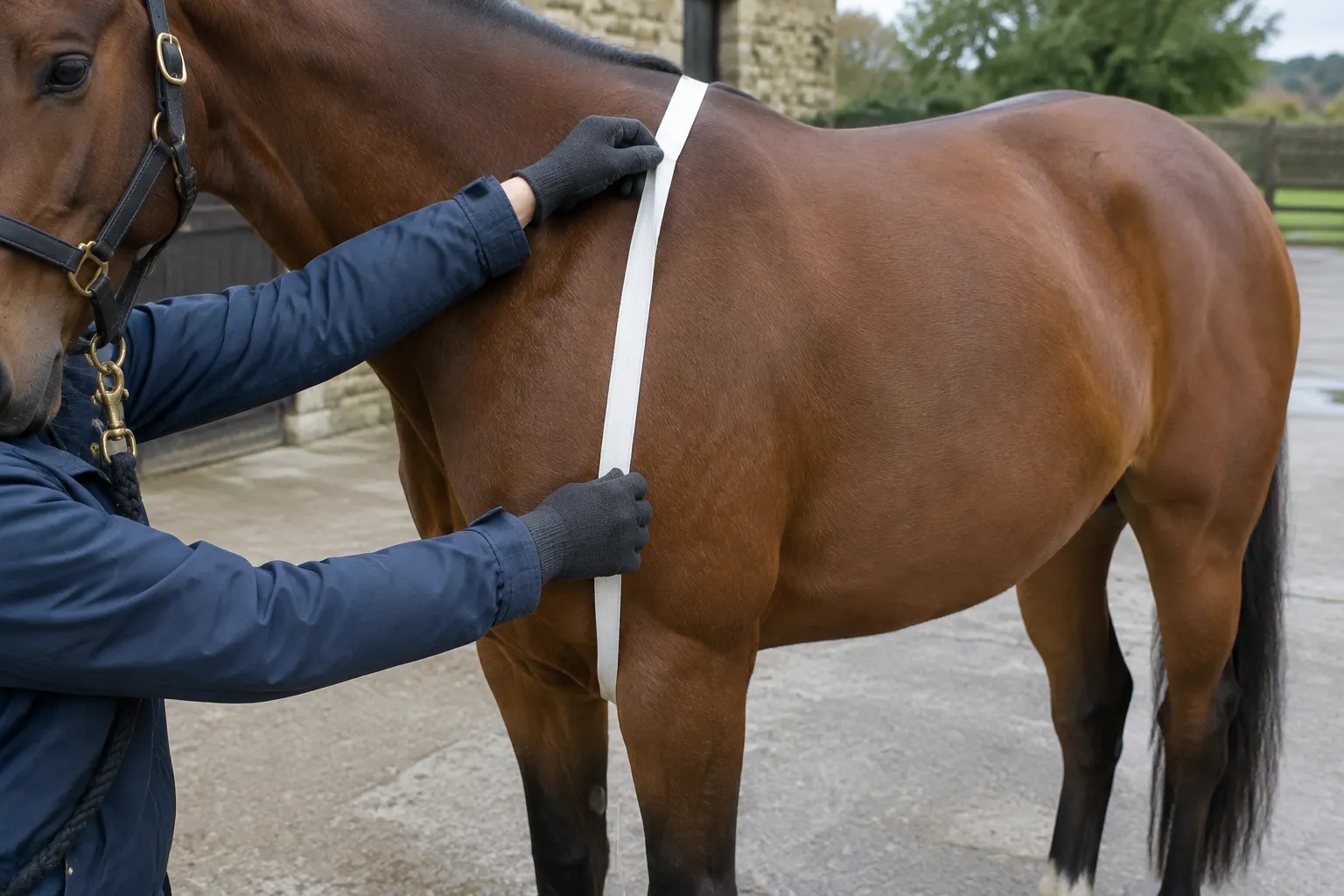
A weigh tape is the quickest check. British Equestrian advises standing the horse square on firm, level ground and placing the tape round the middle “on a slight angle, so it runs from behind his withers to behind his elbows”, then taking the reading as the horse breathes out. Weigh at a similar time of day each time, since weight shifts a little through the day, and British Equestrian suggests a check every two weeks or so, written down so you can see a trend.
The tape-measure formula
Without a weigh tape, a tape measure and two numbers give an estimate. Measure the heart girth, round the barrel just behind the withers and elbows, and the body length, from the point of the shoulder to the point of the buttock. Then multiply the girth by itself, multiply by the length, and divide:
weight (kg) = girth (cm) × girth (cm) × length (cm) ÷ 11,880
That divisor comes from research at Auburn University, which tested the method against 145 horses weighed on a livestock scale. The University of Arkansas extension service gives the same sum in inches, divided by 330, for a result in pounds. A horse with a 190cm girth and a 165cm body length works out at about 500kg. The formula is less reliable for ponies, heavily pregnant mares and horses of unusual build.
Why the number matters
Wormer doses, many medicines and feed rations are worked out from bodyweight, and a slow gain or loss is easy to miss in a horse you see every day. Pair the tape with condition scoring: British Equestrian notes that condition “is usually measured on a 0–5 scale and most leisure horses should aim to have an overall score of three”.
Weighbridges
For an exact figure you need a weighbridge, which British Equestrian calls the most accurate method. Some vet practices and feed companies bring one to yards on set days, and it's worth weighing on one now and then to check your tape against it.
Height is the other number every passport and sale advert asks for. The horse height converter turns hands into centimetres and back, and what horses eat uses bodyweight to work out how much forage a horse needs.