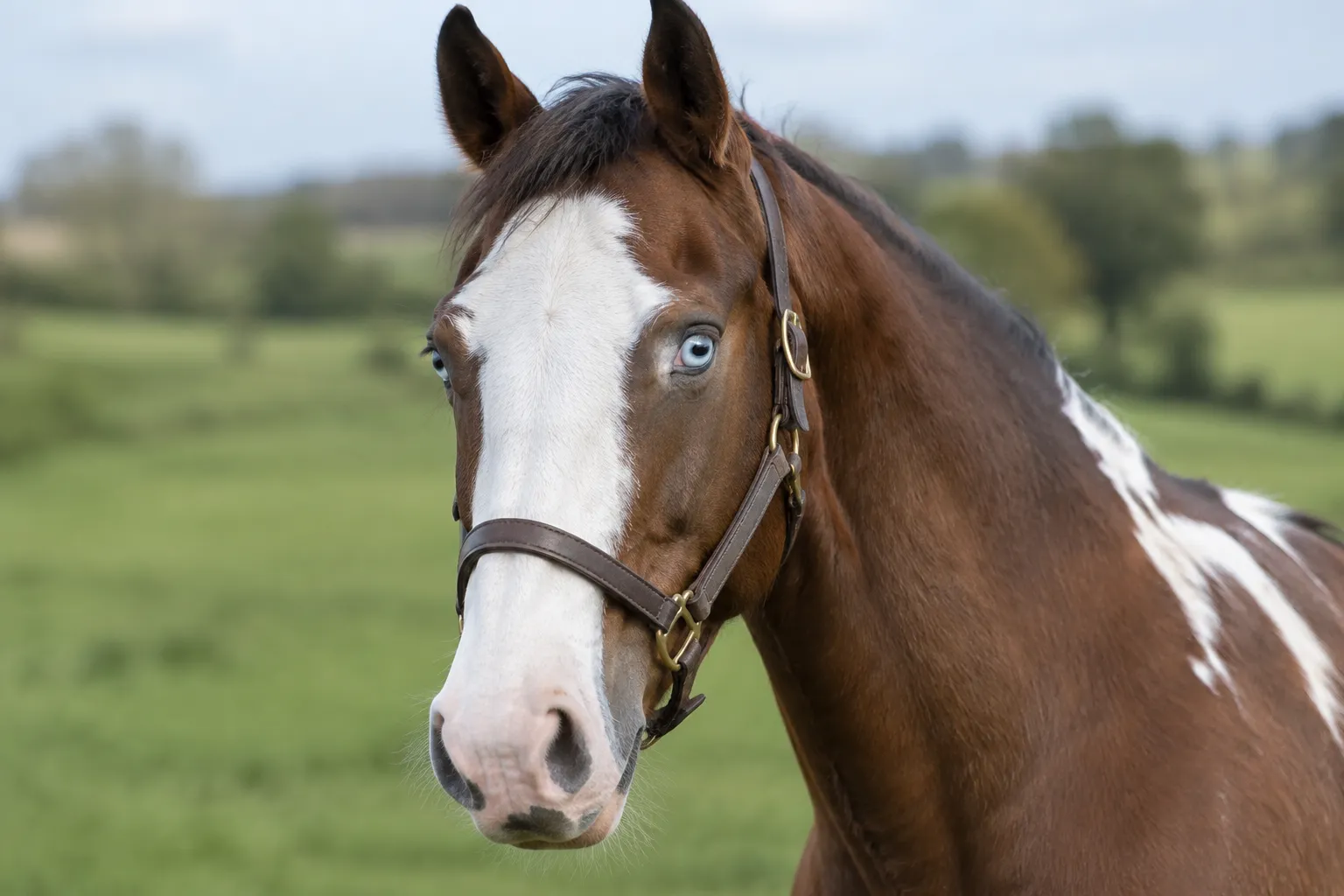
What is a wall-eyed horse?
A wall-eyed horse is one with an excessively pale eye, or with two eyes of different colours.
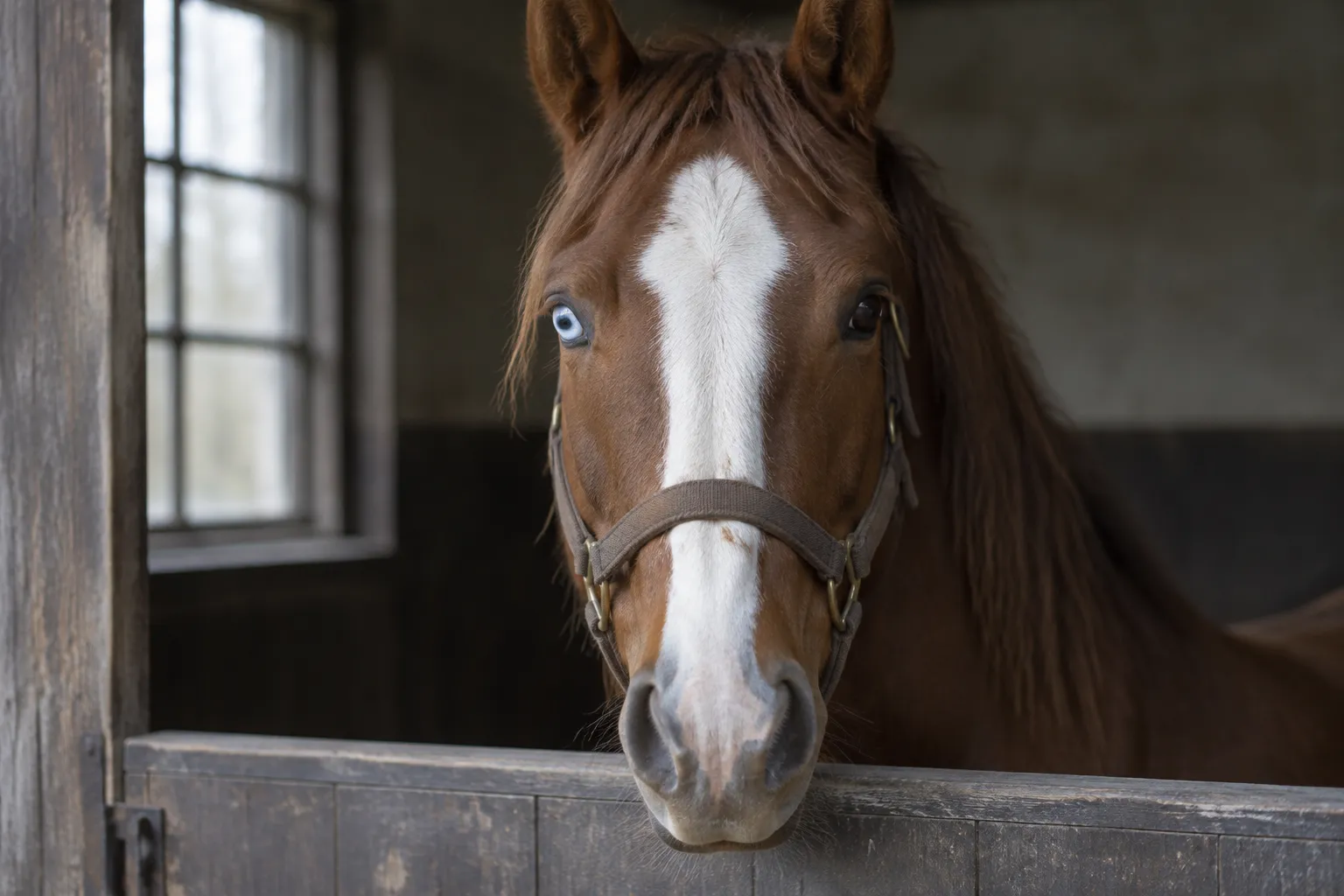
A wall-eyed horse is one with an excessively pale eye, or with two eyes of different colours. It’s a description of colour, not a diagnosis, and the word is old enough to sit in the regional dictionaries: the Yorkshire Historical Dictionary, compiled at the University of York, defines it as “used generally of a horse with both eyes excessively light-coloured, or with different-coloured eyes”.
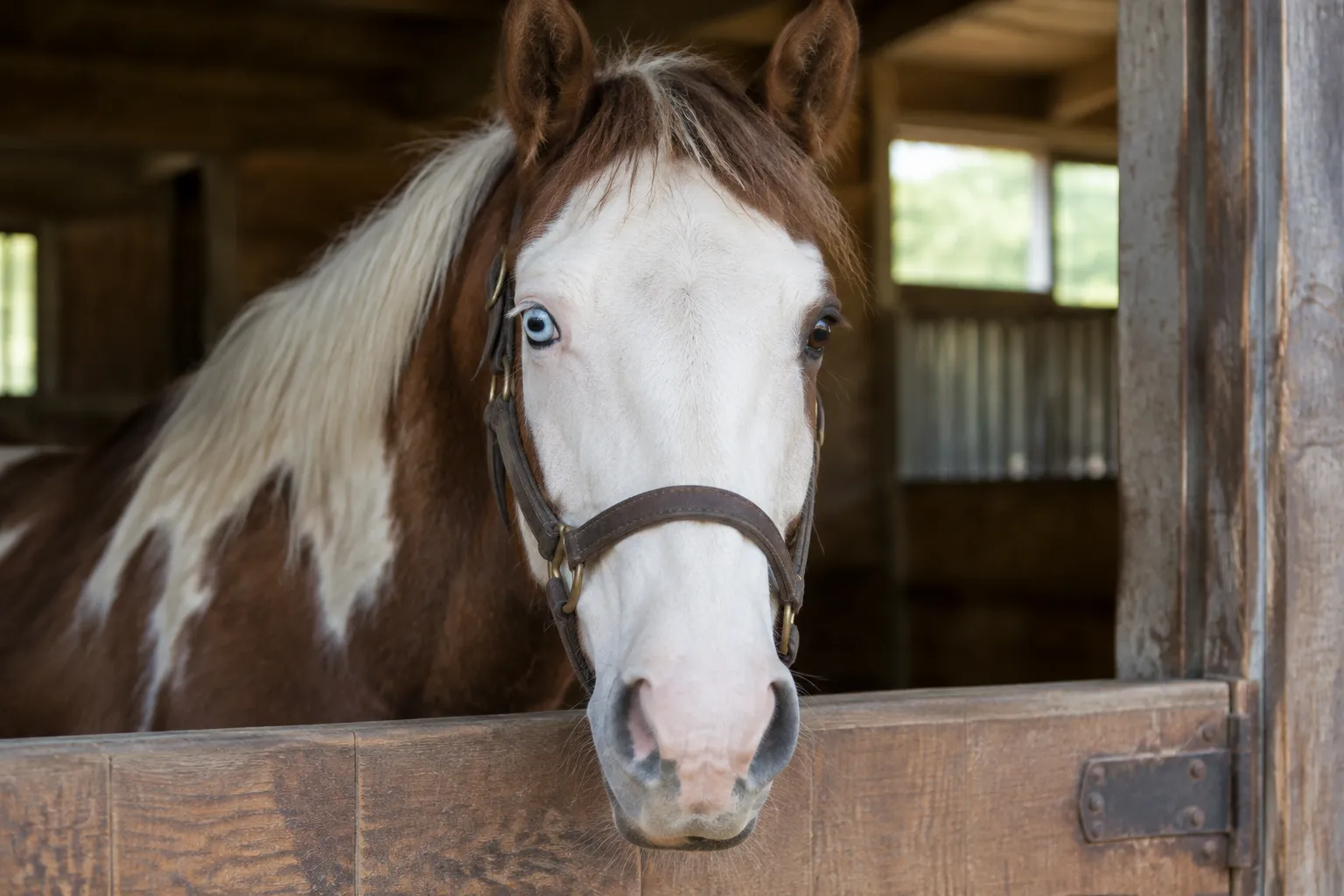
An old word for a pale eye
The dictionary dates it: a West Stonesdale record of 1618 lists “a mare, wall-eyed with a starr, value 30s”, a description doing the job a passport silhouette does now, identifying one animal by its eye and its face marking. The word belongs to a family of British colour terms, not to veterinary language; what makes a horse coloured covers the rest of them.
Wall eye, china eye, glass eye
Yards use several names for the same thing, and they are worth knowing when you read a sale advert or a passport description.
| Name | What it usually means |
|---|---|
| Wall eye | A very pale or blue eye, or two eyes that do not match |
| China eye or glass eye | A pale blue eye, especially in a white face |
| Odd eyes | One brown eye and one blue eye |
| Part-blue eye | A brown eye with a wedge or fleck of blue in it |
Does a wall eye affect sight?
It describes appearance, not a defect. A pale or blue eye is a pigment matter, and sight is not affected by the colour itself; a vet checks a blue eye the same way as a brown one. What does deserve attention is the skin around it. Pale eyes usually sit in white faces, and pink skin burns in strong sun, so a fly mask with a UV-blocking visor is a sensible summer habit. Why some horses have blue eyes covers the genes that produce it.
Wall eyes and white faces
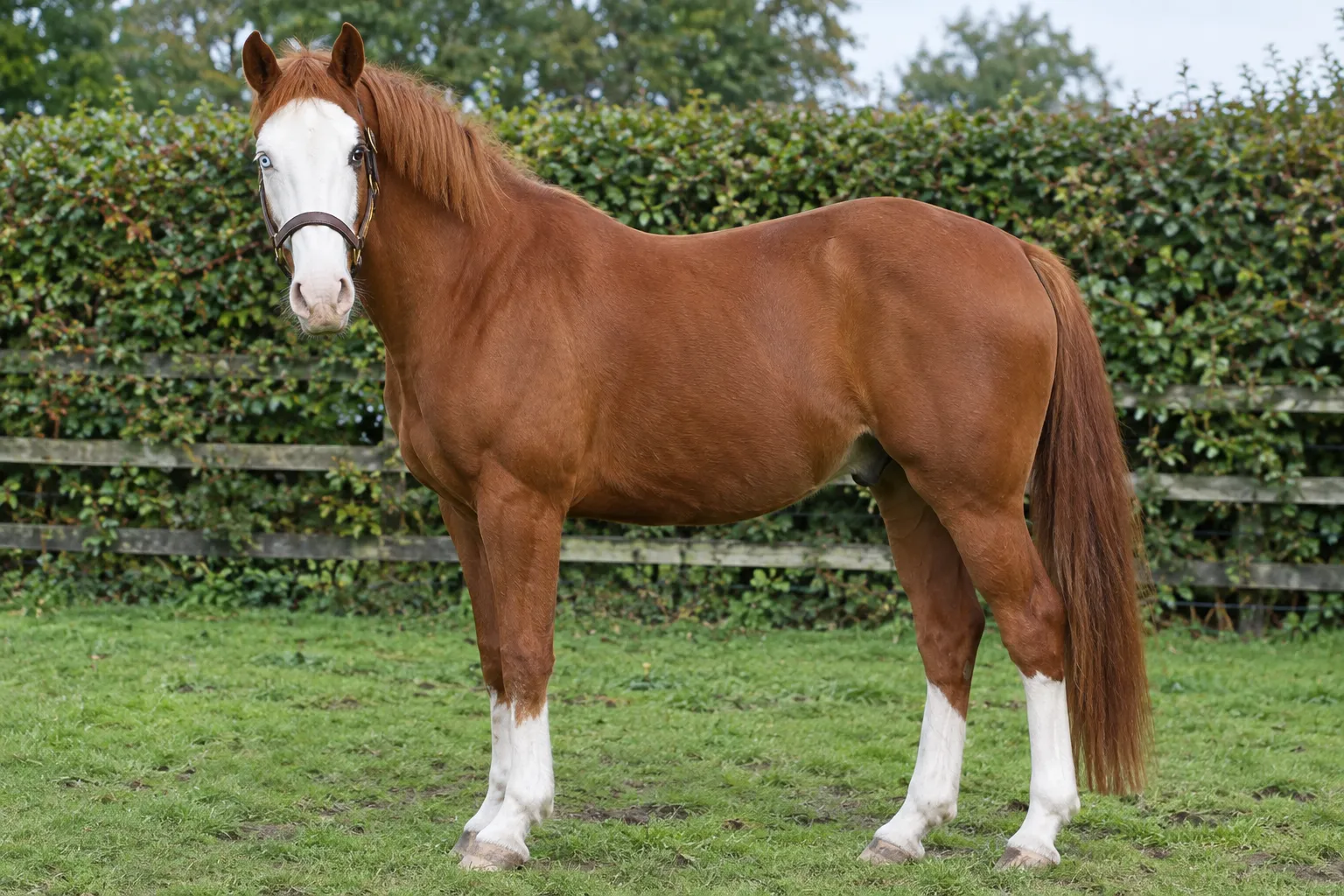
Wall eyes nearly always come with white on the face: a broad blaze or a bald face that runs over the eye. That's why coloured horses and horses with a lot of white show them so often, and why a horse can have one dark eye on the coloured side of its face and one pale eye on the white side. If you're describing a horse for a passport silhouette or a sale advert, note both: which eye is pale, and the marking around it.
The pale eye is hard to photograph, too. In bright sun it can look almost white; in shade or on an overcast day the blue shows properly.
The detail an owner looks for first
A wall eye is often the first thing an owner points out in a photograph. Our portraits are made from your own photograph, so the markings and the eye are the horse’s own. The sixteen horse prints need no photo, and the full range of horse gifts runs through to horse memorial gifts when the horse has gone.