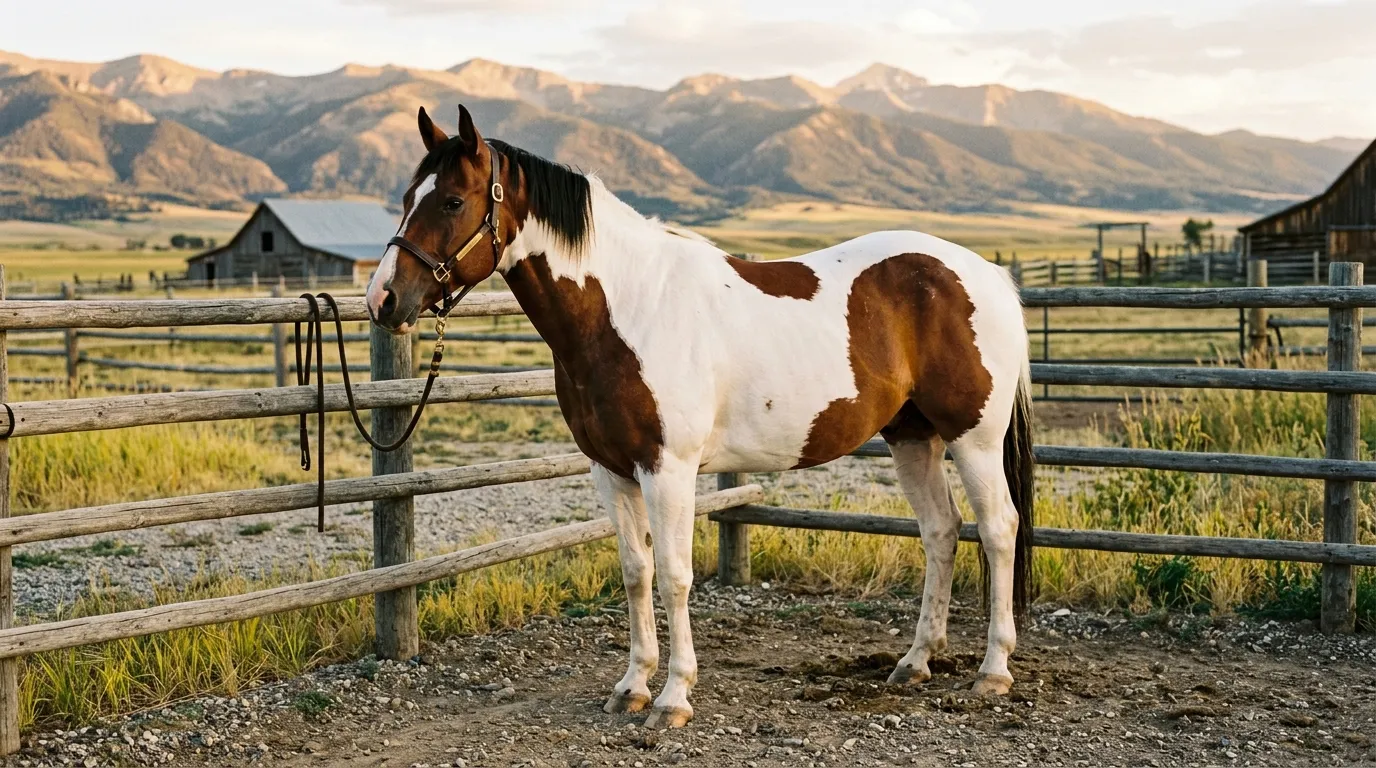
Appaloosa
No two Appaloosas look the same, the spotted breed of the Pacific Northwest.
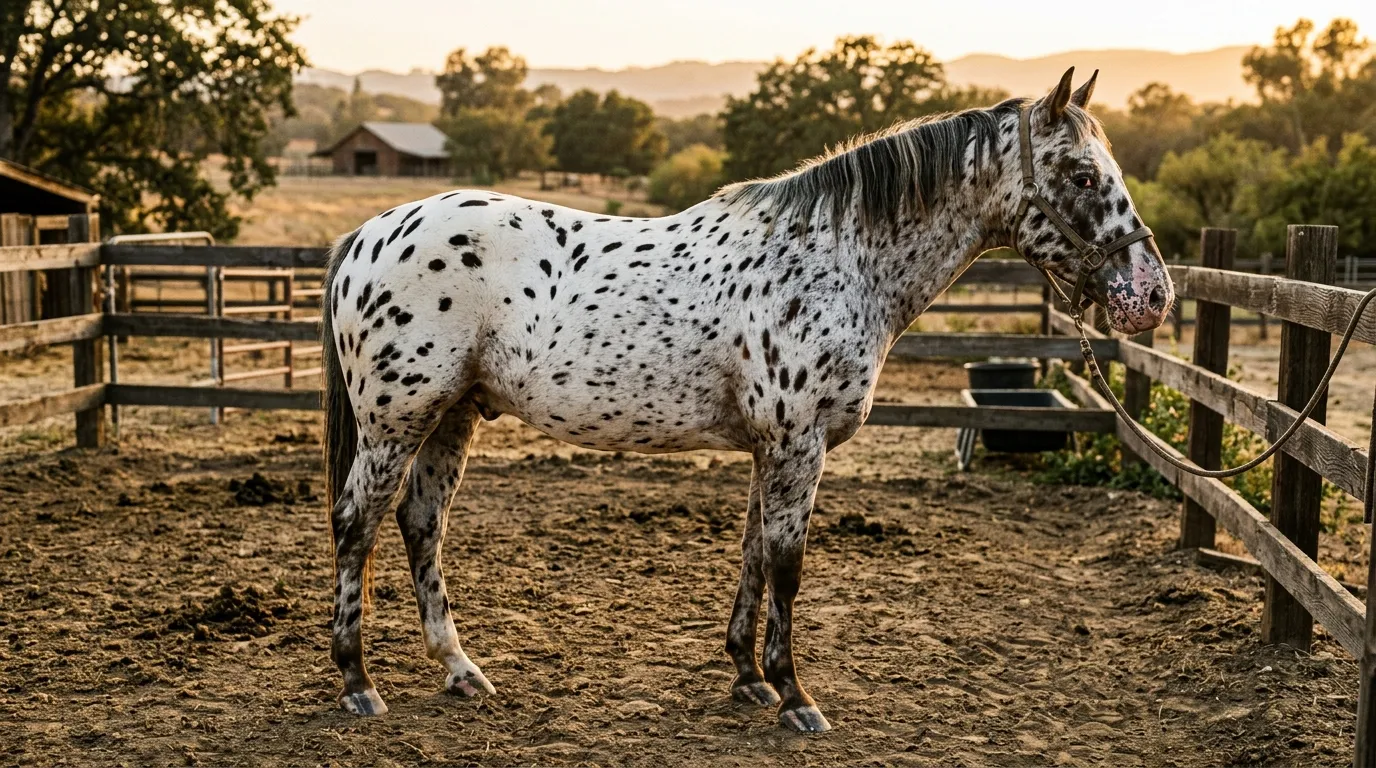
The Appaloosa is the spotted American breed developed by the Nez Perce people of the Pacific Northwest. The leopard-complex (Lp) gene produces several recognised coat patterns (leopard, few-spot leopard, blanket, snowflake, marble or varnish roan, and frosted) and the gene is incompletely dominant, so coat patterns can change visibly through the horse's life. The Appaloosa Horse Club (USA) and the British Appaloosa Society maintain registries.
| At a glance | Appaloosa |
|---|---|
| Height | 14.2hh to 16hh (147 to 163cm) |
| Coat patterns | Leopard, blanket, snowflake, varnish roan and few-spot, over any base colour |
| Other signs | Mottled skin, white sclera round the eye, striped hooves |
| Origin | Bred by the Nez Perce people, Pacific Northwest, USA |
| Breed society | Appaloosa Horse Club (USA); British Appaloosa Society |
Three other traits run alongside the coat: striped hooves, a white sclera around the eye, more readily visible than in most other breeds, and mottled skin around the muzzle and genitals. Owners learn these as identification signals because the coat pattern alone isn't reliable for breed-typing. In the UK they mostly appear in Western Riding Club, riding-club showing, and a small but active eventing population. The photo-based portrait canvas is the natural gift because the individual coat pattern is the horse's identity.
Further reading · British Appaloosa Society · British Horse Society
You can describe the breed by stripes, sclera, and mottled muzzle: but the coat pattern is unique to the horse. The portrait is made from your own photo, where a name print carries only the name.
Why the format matters here
An Appaloosa's coat is the one thing a gift can get wrong. Two horses in the same field carry different patterns, so a portrait from your own photo shows the horse and not only the breed. A name print still works where the pattern isn't the point, and the personalised gifts page lists what each option costs. The wider horse gifts list by occasion, the horse prints carry the artworks without a photo, and horse memorial gifts are there when the horse has gone.
A coat that won't stay still
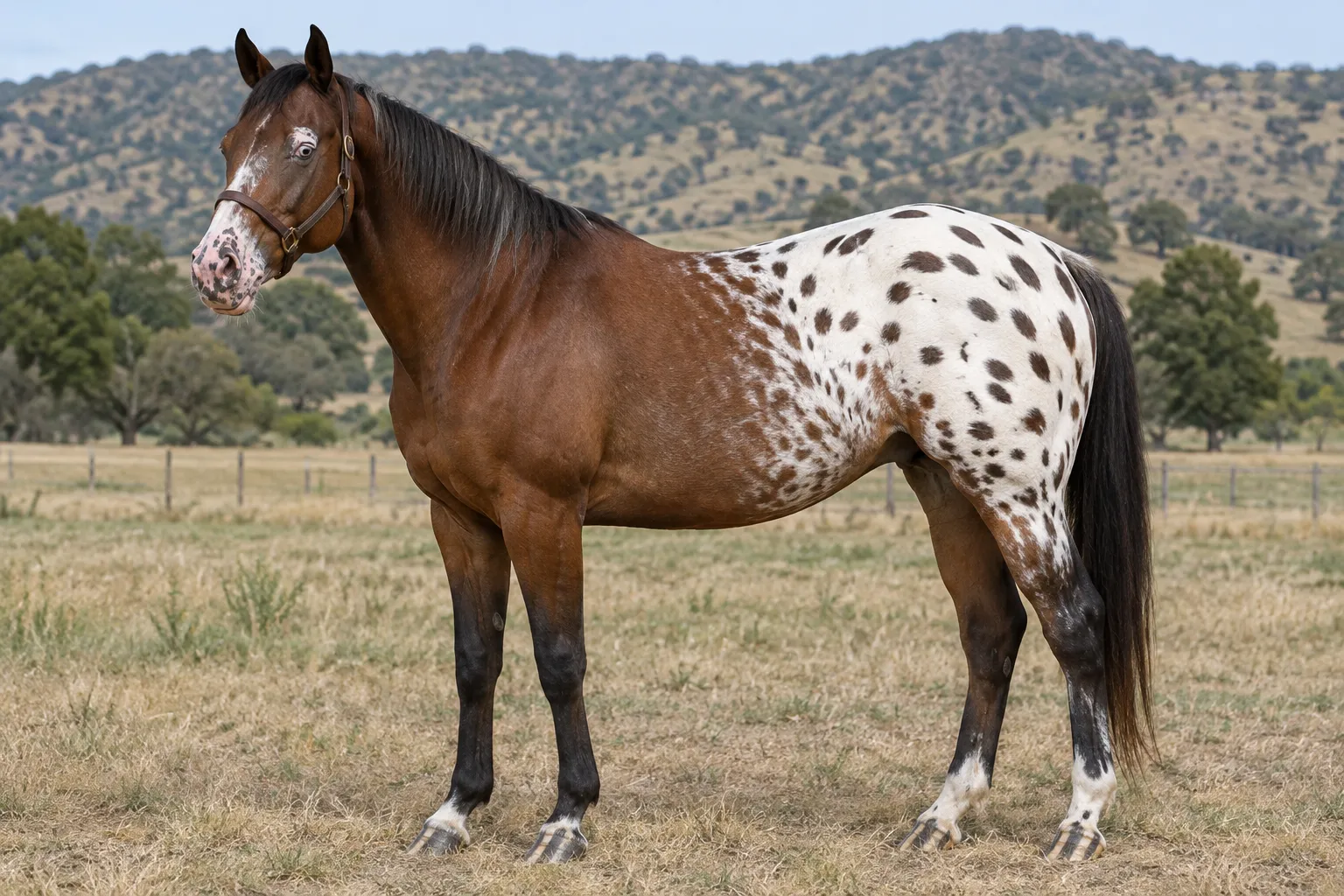
This is the breed where no photograph can be replaced by a description. The leopard-complex gene produces a spread of patterns (full leopard, few-spot, blanket, snowflake, varnish roan) and because the gene is incompletely dominant, the coat can change through the horse's life: a blanket can spread, a varnish roan can lighten year on year. Owners learn the breed's three reliable identifiers because the spots alone aren't dependable: striped hooves, a white sclera ringing the eye, and mottled skin around the muzzle. Those are how you confirm the breed when the pattern is subtle.
The breed traces to the Nez Perce people of the Pacific Northwest, who bred a tough, sensible using-horse, not a show object, and that practical temperament carried through. In Britain the population is small but committed (Western riding clubs, riding-club showing, and a scattering of eventers) and owners tend to be drawn precisely to the individuality of the coat. Each horse is visually one of one, which is the single fact that should drive any gift decision for one.
Choosing a gift for an Appaloosa owner
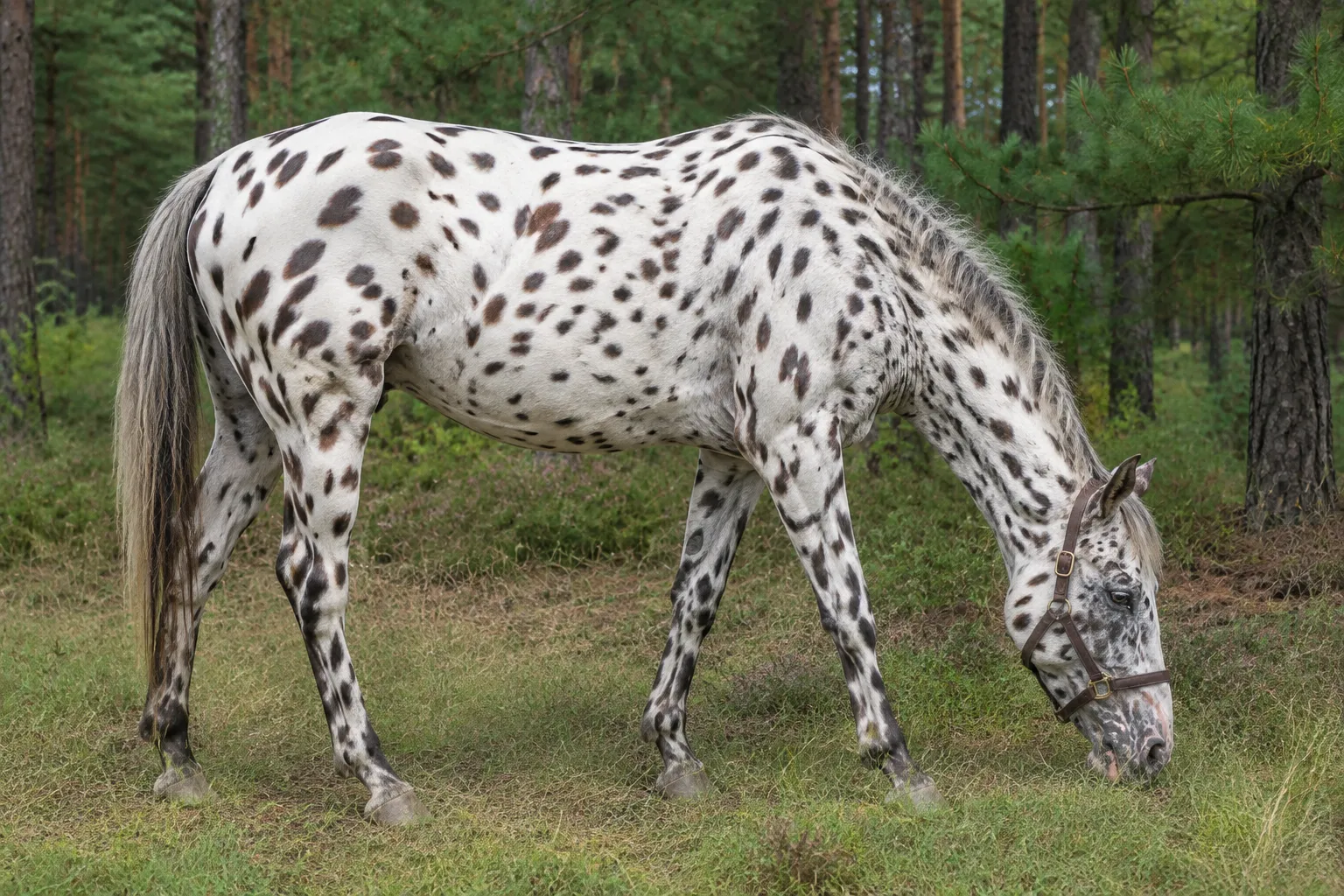
- Go photo-based, always. The specific spotting is the horse's identity, so a portrait canvas from the owner's own photo beats a generic name print that can't show the pattern.
- Show the whole pattern in the photo. A side-on or three-quarter shot in good light shows the blanket or leopard pattern far better than a head crop that hides it.
- Date it: the coat may change. Because patterns shift over years, owners often value a portrait pinned to a specific year, capturing the coat as it was.
- Know the identifiers. Mentioning striped hooves or the white sclera in conversation marks you as someone who knows the breed, not only the spots.
- Western leaning is common. Many UK owners ride Western; a tack-room aesthetic of that kind suits the gift's framing and tone.
Where the spots belong to a family horse and not a show string, the birthday picks cover the prints-and-mugs tier neatly. Breed-club shoppers do better in the horse-lover list, which skips the novelties. The Appaloosa is often confused with the Paint Horse: spotting and pinto patterning are different things on different registries, and the wrong one on a print is the mistake to avoid.